There’s a middle path that gives you the independence of driving without the stress, combined with the structure of tours without the inflexibility. The multi-day bus pass approach has quietly transformed how independent travellers explore Tuscany’s UNESCO World Heritage Sites, shifting the focus from surviving the journey to actually experiencing the destination.
Your Stress-Free Tuscany Snapshot
- Five Tuscan cities connected by two colour-coded bus routes (Green and Terracotta lines)
- Passes from €41.65 with 15 per cent online discount for durations ranging from one to five days
- Includes guided city walks and digital assistance tools
- Eliminates car rental stress: no ZTL fines, parking costs, or navigation chaos
Why Independent Travellers Are Ditching Car Rentals in Tuscany
The car rental fantasy dies the moment you approach Florence’s historic centre. What travel blogs sell as “freedom to explore” quickly becomes a nightmare of restricted traffic zones, impossible parking, and fines that arrive months later with rental company admin fees stacked on top.
Florence, Pisa, and Siena all operate ZTL zones (Zona Traffico Limitato) that ban most vehicles from historic centres during peak hours. Camera systems capture every unauthorised entry automatically. As Florence-On-Line’s updated ZTL guide details, fines range from €80 to €335 per entry, issued by mail weeks or months after the violation.
80-335€
Range of ZTL fines for unauthorised entry into Florence’s historic centre
The maths gets worse when you add parking. Florence city-centre parking costs €25-30 daily when you can find it. Multiply this across three or four days, add fuel at €1.80 per litre, mandatory insurance excess reduction, and the “cheap €45/day rental” balloons to €300-350 for a three-day trip.
Meanwhile, Tuscany’s tourism figures tell a different story. As confirmed by the latest IRPET Tourism Report 2024, international arrivals to Tuscany grew by 10.3 per cent in 2024, with non-European visitors up 17.5 per cent. These travellers increasingly favour stress-free public transport alternatives over the traditional car-dependent approach.
How the Tootbus Regional Pass Connects Florence, Pisa, Siena, Lucca and San Gimignano
Rather than navigating Italian motorways and deciphering parking signs, a regional bus pass in Tuscany operates on two colour-coded routes that connect the five most-visited historic cities. The Green Line links Florence to Pisa, whilst the Terracotta Line connects Florence with Siena, Lucca, and the medieval towers of San Gimignano. This structured network eliminates the guesswork typical of rental car navigation whilst preserving the flexibility to explore multiple cities at your own rhythm.
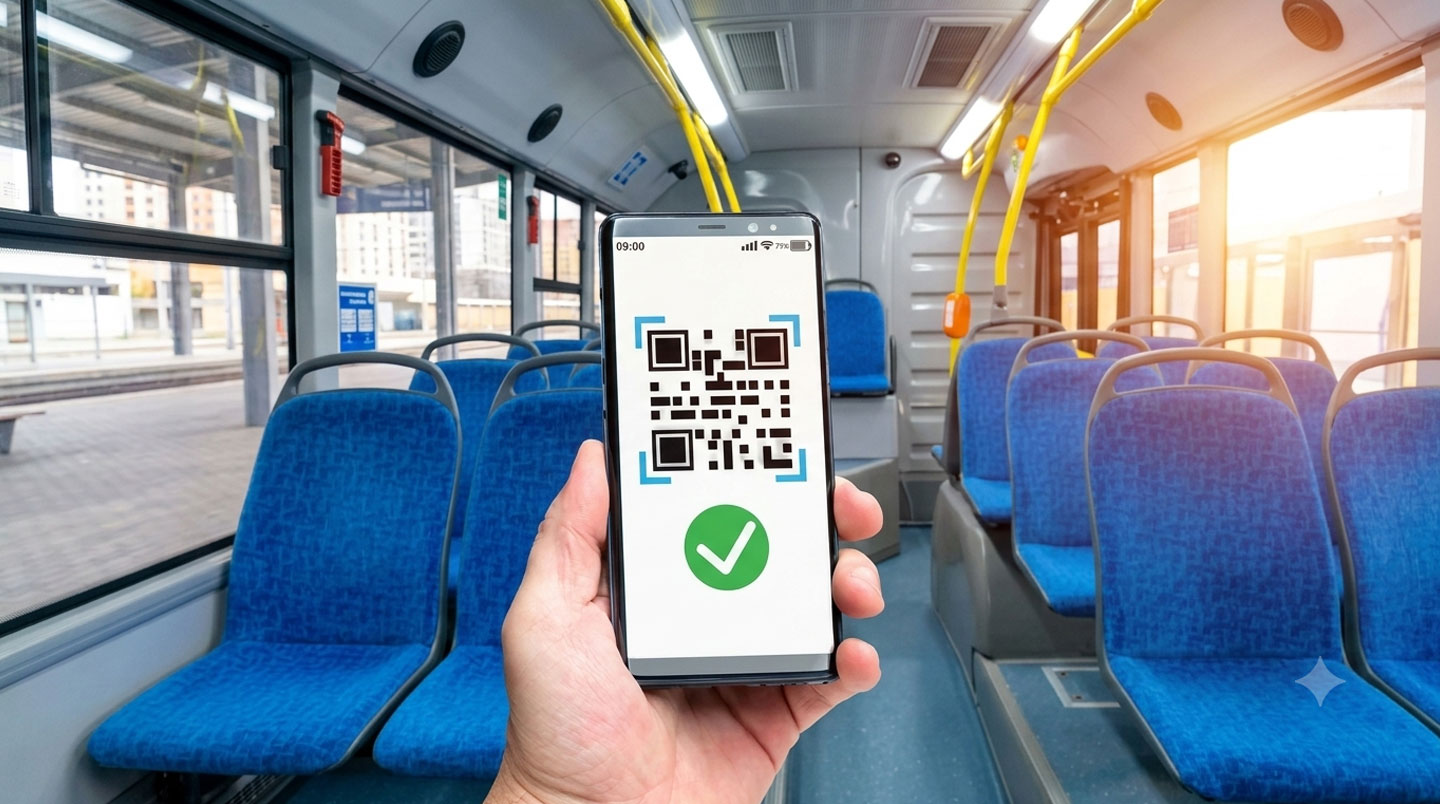
The system works on hop-on hop-off flexibility, eliminating the rigid schedules that plague traditional guided tours. Passes are available in one, two, three, or five consecutive-day options, starting from €41.65 when booked online with the standard 15 per cent discount applied.
What’s included beyond transport: Each pass comes with guided walking tours in the major cities, conducted in English and other languages to eliminate the language barrier many travellers fear. Digital assistance via the Tootie AI tool helps with route planning and real-time schedule updates.
This approach addresses the core friction point most first-time Tuscany visitors face: how to see multiple UNESCO-protected cities without either burning money on private drivers (€300+ daily) or surrendering your schedule to group tour operators. The pass occupies the middle ground, offering independence without isolation.
Transport Showdown: Bus Pass vs Car Hire vs Guided Tours
The question isn’t which transport option is universally “best”, but which aligns with your actual priorities. A solo photographer chasing countryside villas needs a car. A family of four on a fixed budget needs predictable costs. Most first-time visitors simply want to see the famous sites without logistical drama.
The comparison below evaluates the three main transport approaches across the factors that actually matter when visiting Florence, Pisa, and Siena. All costs reflect realistic three-day totals for two travellers in 2026.
| Transport Option | Total 3-Day Cost (2 people) | Schedule Flexibility | Stress Level | UNESCO Site Access |
|---|---|---|---|---|
| Multi-day bus pass | €125-150 | High (hop-on any time) | Low (no driving, parking, or fines) | Excellent (all five cities covered) |
| Car rental | €280-350 | Highest (go anywhere anytime) | High (ZTL zones, parking scarcity, navigation) | Excellent (but parking distant from centres) |
| Guided group tours | €220-280 | Low (fixed 8am-6pm schedules) | Very Low (all logistics handled) | Good (major sites only, group pace) |
Car rental excels if you’re visiting countryside estates or have genuine mobility limitations requiring door-to-door transport. Guided tours work brilliantly for travellers who value expert commentary above all else and don’t mind synchronised schedules.
The decision ultimately hinges on your tolerance for logistical complexity versus your need for spontaneous detours. A photographer chasing sunrise shots at Val d’Orcia farms needs a car despite the ZTL headaches. A couple prioritising stress-free cultural immersion across major cities finds the bus pass approach transforms the journey from obstacle course to enjoyable experience. According to the City of Florence official portal, managing ZTL compliance and parking remains the most common tourist complaint in visitor feedback surveys.
- Eliminates car rental stress (ZTL zones, parking, fines)
- Predictable upfront cost with no hidden fees
- Guided walks add local expertise without group tour rigidity
- Lower environmental impact than individual car travel
- Less suitable for travellers with heavy mobility limitations
- Not ideal if staying outside the five connected cities
- Fixed routes mean countryside villas remain inaccessible
The honest assessment matters more than blind promotion. If you’re planning a photography expedition focused on Val d’Orcia’s rolling hills or need to visit specific vineyard estates, a car serves you better despite the added complexity. The bus pass wins decisively for the 80 per cent of visitors whose priority list reads: Uffizi Gallery, Leaning Tower, Piazza del Campo, minimal fuss.
Sample Itineraries: What You Can Realistically See in 1, 3, or 5 Days
The gap between fantasy itineraries and reality causes more disappointment than any other planning mistake. Travel blogs suggest visiting all five cities in two days with 6am starts and instant teleportation between sites. Actual humans need time for coffee, getting lost, and simply absorbing a Unesco-protected medieval square without immediately rushing to the next photo opportunity.
- Short city break (2-3 nights total):
Choose the one or two-day pass. Focus on Florence plus a Pisa day trip. Skip Siena to avoid the exhaustion of rushing.
- Classic Tuscany week (4-6 nights):
The three-day pass covers Florence, Pisa, Siena, plus either Lucca or San Gimignano. Allows for rest days and repeat visits to favourite spots.
- Deep immersion trip (7+ nights):
Five-day pass lets you visit all cities with time for hidden neighbourhoods, slower mornings, and organic discoveries beyond the main monuments.
This compressed itinerary suits weekend breakers or cruise passengers with limited time. Day one focuses entirely on Florence: morning at the Duomo complex and Baptistery, midday at Uffizi Gallery (book timed entry in advance), late afternoon wandering Ponte Vecchio and Oltrarno artisan quarter. Day two takes the Green Line to Pisa—depart Florence 9am, arrive Pisa 10am, explore Piazza dei Miracoli (Leaning Tower, Cathedral, Baptistery) until 1pm, return by 3pm.
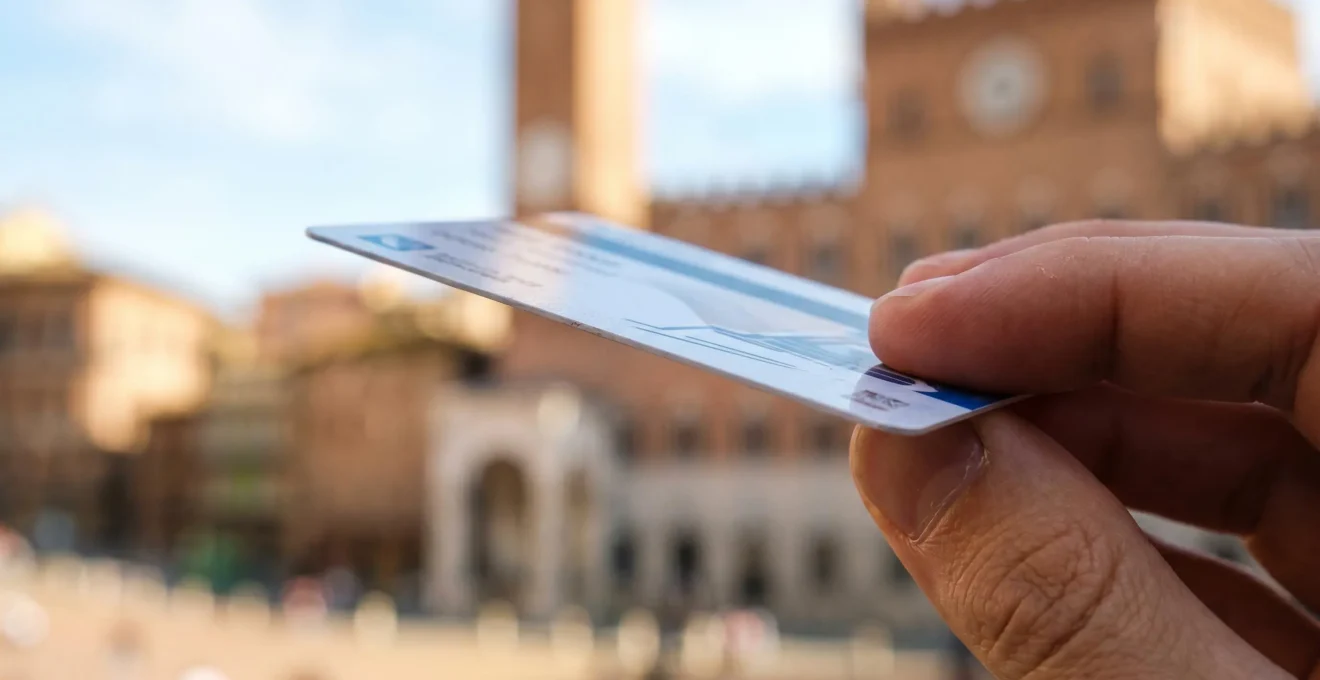
Three days allows proper breathing room. Day one mirrors the Florence quick escape above. Day two uses the Terracotta Line to Siena: depart 9am, arrive 10:30am, climb Torre del Mangia for Piazza del Campo views, explore the Gothic cathedral, lunch in a side-street trattoria, return by 5pm. Day three presents a choice between Lucca (intact Renaissance walls you can cycle atop, fewer crowds) or San Gimignano (classic Tuscan postcard image with fourteen medieval towers and Vernaccia wine tastings).
The guided walks included with the pass add unexpected value here. Rather than wandering Siena’s contrade neighbourhoods alone with a guidebook, a local guide reveals the Palio horse race traditions and explains why each district maintains fierce loyalty centuries after the medieval commune dissolved.
Five days transforms the trip from monument checklist to genuine cultural immersion. The extra time allows revisits (Florence’s Accademia Gallery on day four after crowds thin) and spontaneous diversions. You can experience these places as the ancient cities as living history they remain, not just open-air museums to photograph and abandon. The schedule spreads across: Day 1 Florence Duomo and historic centre, Day 2 Pisa, Day 3 Siena, Day 4 Lucca, Day 5 San Gimignano, with Florence evenings throughout for restaurants and sunset river walks.
Your Questions About Stress-Free Tuscany Travel Answered
Is a bus pass too limiting compared to renting a car in Tuscany?
The pass covers the five most-visited Tuscan cities, which satisfies roughly 80 per cent of first-time itineraries. You gain stress-free travel without ZTL fines or parking hunts. Trade-off: countryside villas and remote wineries require separate arrangements, but the official UNESCO World Heritage listing for Italy confirms that Florence (listed 1982), Pisa (1987), Siena (1995), and San Gimignano (1990) represent the region’s core cultural treasures, all accessible via the pass system.
How much time should I budget for travel between cities?
Florence to Pisa takes approximately one hour, Florence to Siena roughly 90 minutes. Always add a 30-minute buffer for boarding and walking from bus stops to attractions.
Do I need to book specific bus times in advance?
The multi-day pass operates on hop-on hop-off principles with frequent departures throughout the day. Advance booking for specific departure times is generally not required, providing flexibility compared to rigid tour schedules.
Are the guided walks suitable for non-Italian speakers?
Walks are conducted in English and other major languages, eliminating language barriers. Guides provide cultural context beyond what solo exploration with navigation apps offers.
What if weather turns poor or I need to change plans mid-trip?
Multi-day passes provide flexibility to adjust daily plans organically. If rain hits Siena, simply hop to Florence’s indoor Uffizi Gallery instead. Consecutive-day passes allow itinerary evolution based on weather, energy levels, or spontaneous discoveries.
The shift from car-dependent to stress-free public transport reflects broader changes in how visitors approach Tuscany. Rather than treating the region as a driving challenge to conquer, the focus returns to what actually matters: standing in Siena’s shell-shaped Campo as evening light hits the Palazzo Pubblico, or watching Pisa locals drink espresso in the shadow of their famously imperfect tower.
Beyond transport logistics, knowing how to avoid tourist traps in major cities ensures your Tuscany budget stretches further whilst enhancing authentic experiences over commercialised superficiality. For sustainable travel perspectives, the UNWTO Sustainable Development guidelines highlight how bus-based tourism reduces per-visitor carbon footprints whilst supporting local economies more evenly across multiple destinations.
- Match pass duration to your trip length (one-day for quick breaks, three-day for classic tours, five-day for deep exploration)
- Book Uffizi and Accademia Gallery timed entries in advance to avoid three-hour queues
- Check ZTL zone maps if staying in historic centres (even taxis need authorisation)
- Build in rest time between city visits (Tuscany rewards slow appreciation over checklist rushing)
The choice between rental car chaos and group tour rigidity was never really a choice at all. The third path of stress-free travel via multi-day passes delivers what most visitors actually want: access to Tuscany’s UNESCO masterpieces without the logistical drama that drowns the actual experience.