Culture and Discovery
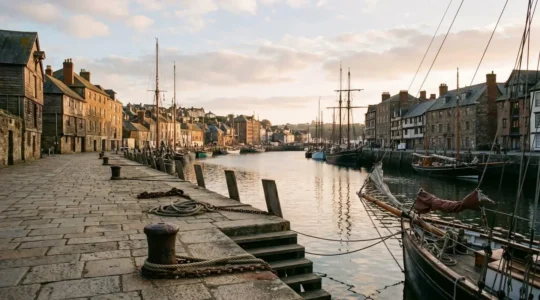
How to Read Historic Harbours as Stories of Trade, War, and Cultural Exchange?
Looking at a historic harbour and seeing only “old buildings” is a missed opportunity. The key to unlocking their rich stories is to read them not as static museums, but as dynamic tidal ecosystems. By learning to decode clues in…
Read more
How Deep Should You Engage With Local Culture to Be Respectful, Not Intrusive?
The key to respectful travel is not a checklist of actions, but a mindset shift from extractive tourism to consent-based immersion. Authenticity is defined by community agency, not a tour’s marketing label; look for experiences where locals control their own…
Read more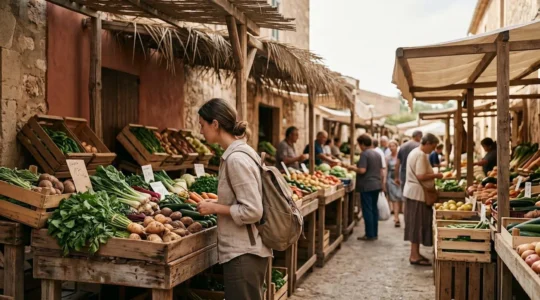
An Auditor’s Guide: How to Tell if a Gastronomic Speciality Is Authentic or a Tourist Trap
Contrary to popular belief, authentic food isn’t found by simply avoiding tourist hotspots; it’s identified by auditing the process behind the plate. Most tourist-centric restaurants intentionally dilute flavors to appeal to a broader, less adventurous palate, a phenomenon known as…
Read more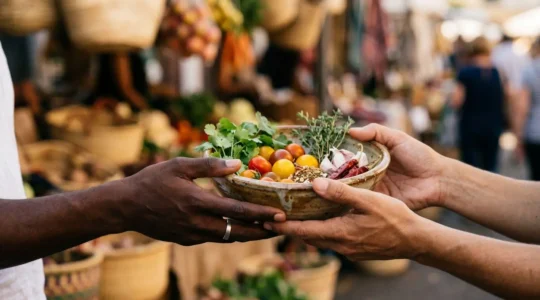
How Can Non-Foodies Use Culinary Discoveries to Connect With Local Culture?
Connecting with local culture through food doesn’t require an adventurous palate—it requires a curious mind. Food is a cultural text you can learn to read, even without tasting every dish. Observing food systems, from markets to menus, reveals a culture’s…
Read more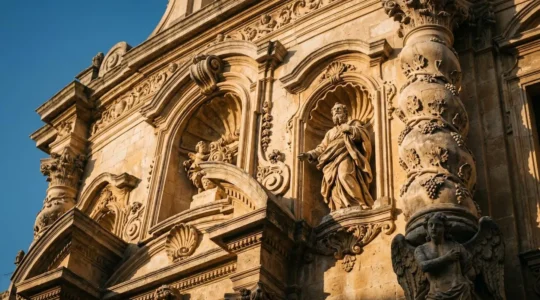
How to Recognize Authentic Baroque Architecture Versus Later Imitations?
Recognizing authentic Baroque architecture requires more than a checklist of features; it demands an understanding of its psychological purpose as a tool of power and persuasion. Identify its origins in the Counter-Reformation’s need for emotional drama and overwhelming grandeur. Distinguish…
Read more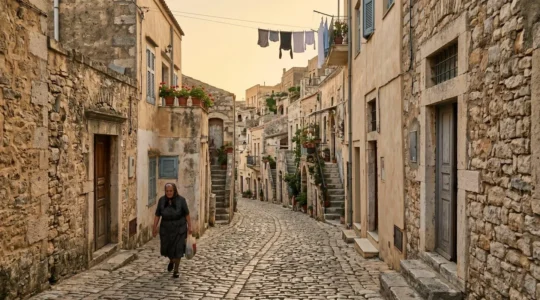
How to Experience Ancient Cities as Living History Instead of Open-Air Museums?
The key to transforming an ancient city from a crowded museum into a living narrative is to learn how to read its physical and social fabric like a primary source. Decode architectural layers to understand the succession of power and…
Read more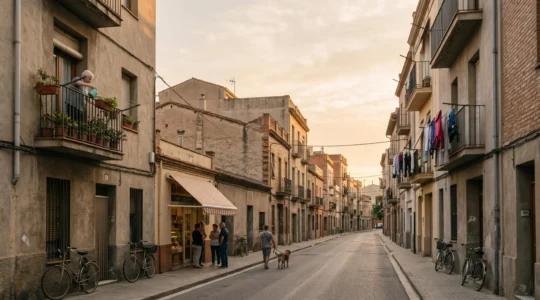
How to Live Like a Local in Urban Centers Instead of Tourist Districts
The secret to living like a local isn’t finding a hidden gem; it’s mastering a strategy to decode a city’s neighborhood DNA and integrate into its daily rhythm. Tourist zones are predictable products of economic pressure that push authentic culture…
Read more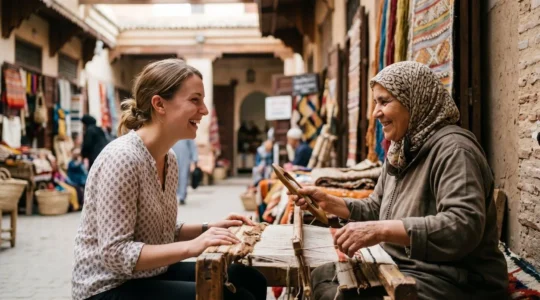
How to Experience Diverse Cultures Authentically Without Committing a Faux Pas
The belief that a checklist of “dos and don’ts” guarantees respectful travel is the biggest myth preventing authentic connection. Genuine engagement stems from an internal mindset of mindful observation, not a memorized list of rules. Authenticity is found in understanding…
Read more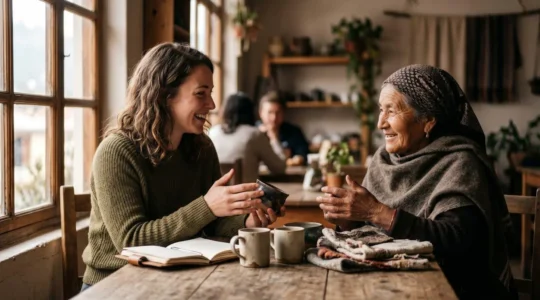
How to Prioritise Meaningful Discoveries Over Instagram-Worthy Moments on Holiday?
The greatest myth in modern travel is that a fulfilling journey is a collection of beautiful images; the truth is that it’s an exchange of presence and perspective. Superficial, photo-focused travel often leads to a sense of unfulfillment, a phenomenon…
Read more
Why does mass tourism destroy 40% of coastal ecosystems within 15 years?
The destructive force of mass tourism stems not from travel itself, but from the flawed economic and logistical systems that extract value without reinvesting in local communities or environments. Systemic “economic leakage” means up to 80% of tourist money never…
Read more