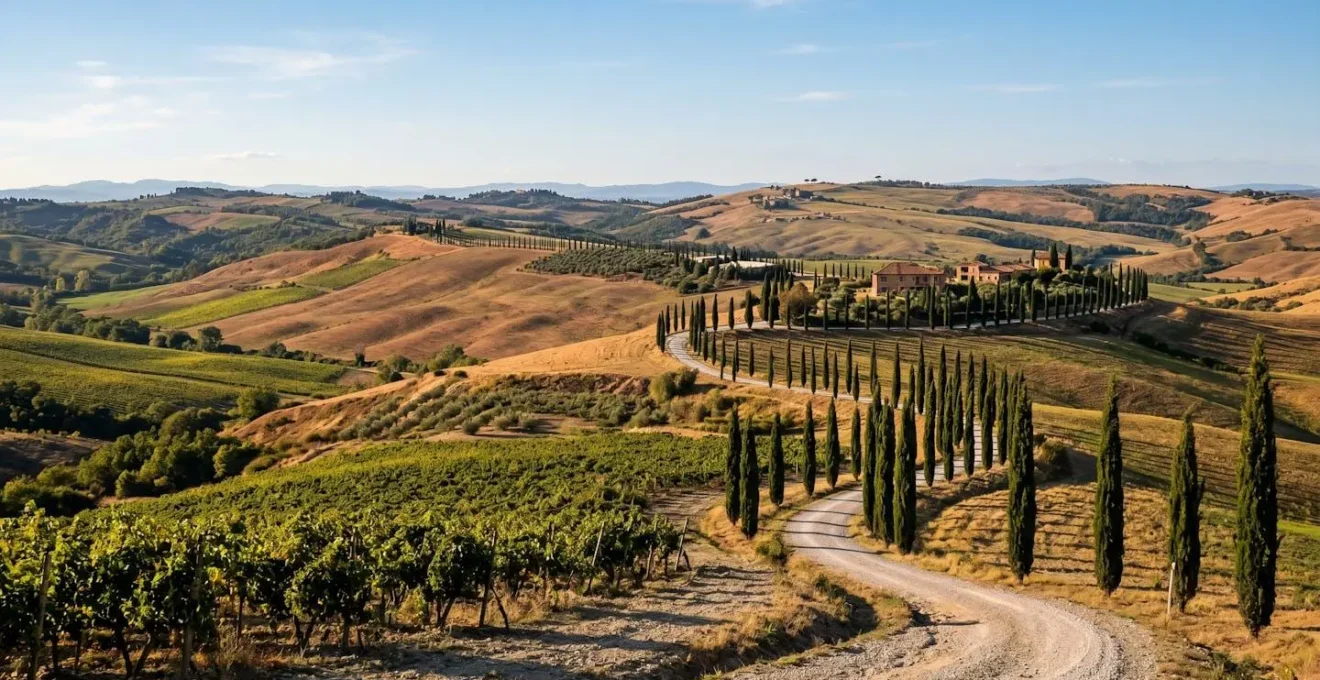
Three days in Tuscany sounds tight—until you realize that most travelers waste half their trip navigating ZTL zones, hunting for parking, or sitting in traffic between postcard-perfect hill towns. A focused 3-day itinerary, anchored in Florence and powered by flexible regional buses, delivers more authentic experiences than a week spent wrestling with a rental car. You’ll cover the region’s essential quartet—Florence’s Renaissance treasures, Pisa’s iconic Piazza dei Miracoli, Siena’s medieval heart, and San Gimignano’s tower-studded skyline—without the stress of deciphering Italian traffic signs or paying substantial automatic ZTL fines. This guide maps the tested routing, honest timing (including those gelato stops guidebooks pretend don’t happen), and the transport solution that turns logistical anxiety into hop-on freedom.
What this 3-day itinerary delivers without the usual stress:
- Five core Tuscany destinations (Florence, Pisa, Lucca, Siena, San Gimignano) using public buses instead of rental car hassles
- Realistic daily schedules with buffer time for spontaneous discoveries and afternoon closures
- Transport comparison showing why flexible bus passes eliminate ZTL fines and parking nightmares
- Responsible tourism practices aligned with Florence’s EnjoyRespectFirenze initiative
Why 3 Days in Tuscany Hits the Sweet Spot
Cramming Tuscany into a week often creates more exhaustion than enlightenment. Constantly moving between accommodations drains energy better spent absorbing Renaissance frescoes or tasting Vernaccia wine. Three days, by contrast, forces beneficial constraints—you base yourself in Florence for all three nights, eliminating the energy drain of multiple accommodations while using the city as your launchpad for day trips that feel like road trips that feel freeing rather than frantic box-checking.
The numbers support this focused approach. The latest IRPET Tourism Report for Tuscany confirms the region saw tourist arrivals surge by 5.9% in 2024 compared to 2023, with foreign visitors increasing by 10.3%—and that pressure concentrates heavily on the same five cities this itinerary targets. The first quarter of 2025 confirmed a further 5% increase in international arrivals. What this means for your planning is simple: attempting to visit obscure Tuscan villages during a short stay is romantic in theory but logistically punishing when those villages have two buses daily and close for riposo between 1pm and 4pm.
The three-day framework works because it aligns with how Tuscany’s geography actually functions. Florence’s central location puts Pisa, Siena, and Lucca within 90 minutes by bus, with San Gimignano positioned conveniently between Florence and Siena. You’re not sacrificing depth for breadth—you’re choosing sustainable quality over unsustainable exhaustion.
Peak season reality check: March through October remains Tuscany’s high season, with July and August bringing both the largest crowds and the hottest temperatures. If your three days fall in peak summer, shift major museum visits to early morning (Uffizi opens at 8:15am) and save hilltop towns for late afternoon when tour buses depart and golden light transforms those terracotta rooftops into something worth every Instagram cliché.
Your Day-by-Day Tuscany Itinerary
This routing accounts for real-world variables: finding bus stops, spontaneous aperitivo stops, and midday closures. Each day balances sightseeing with breathing room to prevent museum fatigue.
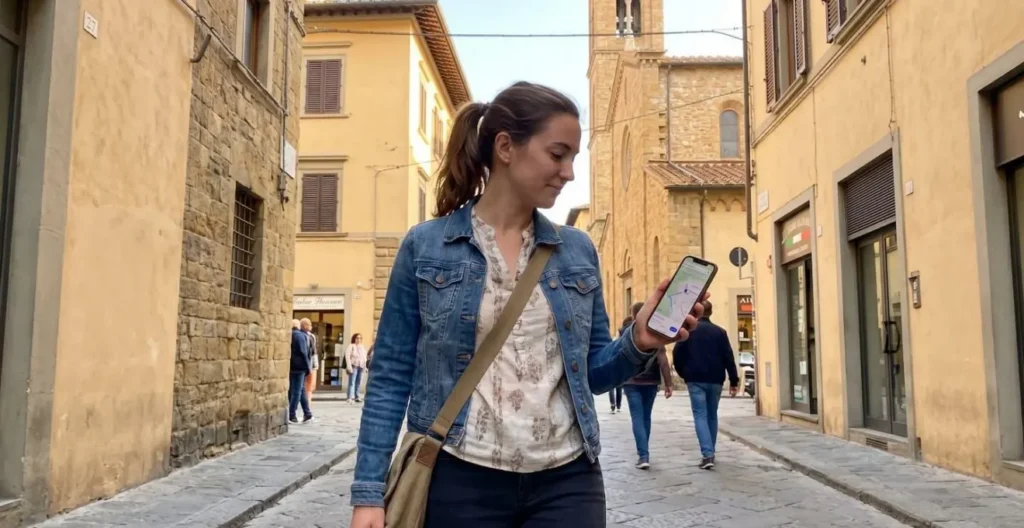
Day 1: Florence Deep Dive — Your first day stays entirely within Florence because you need orientation time. Start at the Duomo complex by 8:30am (arrive earlier if climbing Brunelleschi’s dome, which requires timed entry). Visit the baptistry first while your attention span is fresh, because those 13th-century mosaics deserve more than an exhausted glance after climbing 463 steps.
- Duomo complex opens (baptistry first, then dome climb if pre-booked)
- Pre-booked Uffizi Gallery entry (budget 2-3 hours minimum)
- Late lunch near Ponte Vecchio (avoid restaurants directly on bridge—tourist traps with inflated prices)
- Explore Oltrarno district (artisan workshops, Palazzo Pitti if energy remains)
- Piazzale Michelangelo for sunset over city (20-minute uphill walk or bus #12)
- Aperitivo hour in San Frediano or Santo Spirito neighborhoods
Book Uffizi timed entry two weeks ahead via official website to avoid 90-minute queues. Prioritize Botticelli rooms, Leonardo’s Annunciation, and Caravaggio’s Medusa rather than attempting the entire collection.
Day 2: Pisa and Lucca Loop — Build 20% timing buffers into Day 2 for Italian travel rhythms. The Florence-to-Pisa route is served frequently by both regional trains and buses, with journey times around 60 minutes. Pisa deserves exactly three hours—enough to see the Piazza dei Miracoli (the Leaning Tower, cathedral, baptistry), grab lunch, and depart before the selfie-stick chaos peaks at 2pm.
What makes this day work is the Pisa-to-Lucca leg, a 30-minute connection that deposits you in Tuscany’s most underrated city by mid-afternoon. Lucca lacks Pisa’s iconic landmark but compensates with intact Renaissance walls you can bike atop, a medieval street grid designed for wandering, and an aperitivo scene where you’ll actually sit next to Italians instead of tour groups.
Catch the last bus back to Florence around 7pm, or linger in Lucca for dinner if you’re willing to return closer to 9pm. The regional bus network operates on published schedules available through the official Autolinee Toscane fare structure, which unified all Tuscany routes under a single operator in late 2021. Urban fares within cities like Pisa or Lucca cost €1.70, while intercity tickets run around €3.00 to €8.00 depending on distance—substantially cheaper than fuel and parking for a rental car you’d barely use.
Day 3: Siena and San Gimignano — Your final day tackles the southern route, which involves slightly longer travel times but rewards you with Tuscany’s most dramatic medieval architecture. Siena sits roughly 75 minutes south of Florence by bus, with departures running hourly from the main station. Arrive by 10am to claim a café table on the edge of Piazza del Campo before it fills with tour groups.
Siena’s cathedral deserves an hour for its inlaid marble floors, but the real magic lies in wandering convoluted alleyways where each contrada displays its identity through flags and fountains. Leave room for spontaneous discoveries.
San Gimignano requires a bus change in Poggibonsi, adding logistical complexity but delivering that medieval tower skyline you’ve seen in every Tuscany photograph. The town is genuinely small—you can walk its length in 15 minutes—which means two hours suffices for the highlights (Piazza della Cisterna, Torre Grossa if you want the climb, and Gelateria Dondoli, which holds gelato world championships and isn’t just tourist hype). Catch the return bus by 5pm to reach Florence for a final dinner in the Santa Croce neighborhood, closing your three days where leather artisans still hand-tool bags in workshops unchanged since the 1960s.
How the Flexible Bus Pass Solves Your Transport Puzzle
Most guides recommend car rental without acknowledging ZTL zones—restricted historic center areas monitored by cameras issuing automatic fines (commonly ranging from €80 to €150 based on zone and timing) mailed months later. Florence’s strict ZTL covers the entire core 7:30am-8pm daily. Park illegally once while grabbing espresso, and you’ve just added a hidden cost to your trip budget.
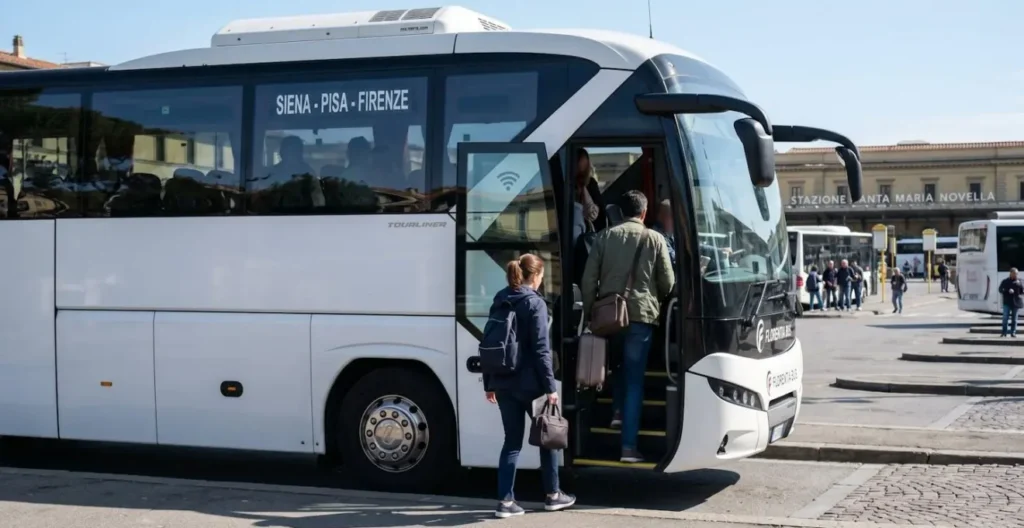
The alternative that transforms this itinerary from theoretical to genuinely relaxing is a flexible regional bus pass. The Multi-day Tootbus pass in Tuscany operates two routes (Green and Terracotta) connecting Florence with Pisa, Lucca, Siena, and San Gimignano, running daily from mid-March through October with modern coaches featuring air conditioning, free Wi-Fi, and USB-C charging ports. Unlike rigid tour schedules, the pass lets you hop off whenever a hilltop borgo looks promising, explore at your own pace, then catch the next departure when you’re ready to move on—essentially delivering rental car flexibility without the parking nightmares or insurance excess fees.
What the cost comparison reveals is even more compelling. Standard regional bus tickets through Autolinee Toscane’s network—the distance-based pass pricing published by Autolinee Toscane shows single suburban tickets starting at €3.00, with monthly passes ranging from €39.80 for short routes up to €120.00 for longer intercity combinations. A flexible multi-day pass eliminates the mental arithmetic of calculating per-trip fares while adding the spontaneity to detour when you spot a promising trattoria or medieval church. Compare that to rental car costs typically exceeding €100 daily when accounting for rental, fuel, parking, and insurance, plus potential ZTL fines.
| Option | Daily Cost (estimate) | Flexibility | Stress Level | Hidden Costs |
|---|---|---|---|---|
| Rental Car | €60–90 total | High (route freedom) | High (ZTL zones, parking hunt, narrow streets) | Fuel, ZTL fines, parking fees, insurance excess |
| Flexible Bus Pass | €25–45 | Medium-High (hop-on/hop-off within route network) | Low (central departure points, no parking or fines) | None |
| Private Driver | €200–350 | Highest (fully customizable) | Lowest (chauffeur handles logistics) | Gratuity expected |
| Group Tour | €80–120 | None (fixed schedule and stops) | Medium (rushing between stops, large groups) | Lunch often excluded, entrance fees sometimes extra |
*Estimated daily costs based on 2026 market averages; actual prices vary by season and provider.
Shared coach transport supports Florence’s EnjoyRespectFirenze responsible tourism initiative, helping preserve cultural heritage for locals and future visitors.
Insider Tips to Elevate Your Trip
Timing separates mediocre Tuscany trips from transcendent ones, and the single most powerful timing hack is this: eat lunch when Italians eat lunch. That means sitting down to your main meal between 1pm and 2:30pm, which coincides precisely with riposo closures at museums and churches. You’re not fighting against Italian culture—you’re synchronizing with it, claiming a trattoria table while everyone else is discovering (too late) that the Siena cathedral shuts from 1pm to 3pm for cleaning.
Book Uffizi or Accademia tickets 3-4 weeks ahead for 11am or 3pm slots, avoiding 1pm closures. Carry a lightweight scarf for church dress code requirements (covered shoulders and knees).
Common Tuscany Myths We’re Correcting:
Myth: You need a full week minimum to experience Tuscany properly
Reality: Three focused days covering five core cities delivers more cultural immersion than a week spent moving accommodations every two nights. Quality trumps exhaustive coverage, and the traveler who deeply experiences Florence, Pisa, Siena, Lucca, and San Gimignano leaves with richer memories than the one who surface-skims 15 villages.
Myth: Rental cars are essential for Tuscany’s countryside access
Reality: Regional bus networks connect every major destination in this itinerary, often with better frequency than you’d expect. The Florence-Siena route runs hourly, Pisa-Lucca connections take 30 minutes, and modern buses offer comfort levels matching rental cars—without the stress of narrow village roads designed centuries before automobiles existed.
For strategies on experiencing cities authentically while avoiding inflated pricing near landmarks, see this guide to sightseeing without tourist traps, which covers the psychology of location-based pricing and how to spot genuine local establishments within 200 meters of major squares.
Weather patterns: March-May (mild, occasional rain), June-August (sun, crowds, heat), September-October (harvest season, thinning crowds, golden light). Pack layers year-round.
Local insight: Download the official Autolinee Toscane app before arrival—it provides real-time bus tracking, digital ticketing, and service updates in English. The app eliminates the anxiety of wondering whether you’ve missed your connection or if the bus is simply running on Italian time (which often means 5 to 10 minutes behind schedule, a margin already built into realistic itinerary planning).
Your Tuscany Questions Answered
Is 3 days really enough for Tuscany, or am I missing too much?
Three days covers Tuscany’s essentials without diminishing returns: Florence’s Renaissance art, medieval Siena and San Gimignano, Pisa’s landmarks, and Lucca. Skipped elements (Chianti vineyards, Cinque Terre, Val d’Orcia) become return-visit goals rather than regrets from a rushed first trip.
Should I base myself in Florence for all three nights, or split between cities?
Florence as a single base eliminates the time and energy drain of packing, checking out, finding new accommodations, and reorienting yourself every two days. Day-trip distances to Pisa, Siena, and intermediary towns range from 60 to 90 minutes—entirely manageable for morning departures and evening returns.
Do buses require advance booking, or can I buy tickets same-day?
Standard regional buses through Autolinee Toscane allow same-day ticket purchases via app, ticket machines at major stations, or contactless payment aboard the bus. For flexible multi-day passes, booking a day or two in advance ensures availability during peak season (July–August).
Is this itinerary feasible for families with children or older travelers?
The bus-based approach works better for families and less mobile travelers than rental cars, eliminating navigation and parking stress. The itinerary’s flexibility means you can skip the Duomo dome climb (463 steps, no elevator) while still experiencing the cathedral floor level, or replace one art museum with Florence’s interactive Leonardo da Vinci Museum.
The common thread across these questions reveals a deeper pattern: travelers often conflate complexity with impossibility. ZTL zones sound intimidating until you realize buses eliminate the problem entirely. Three days seems restrictive until you recognize that depth trumps superficial coverage. Rain threatens plans until you remember that Tuscany’s covered loggias, cathedrals, and museums were designed for precisely these moments.
What separates travelers who return satisfied from those who return exhausted isn’t the number of cities visited or photographs taken—it’s the willingness to work with Italian rhythms rather than against them. That philosophy extends beyond this itinerary into every interaction, from ordering coffee at a bar to navigating museum queues.
Your Pre-Departure Checklist
- Book Uffizi and Accademia timed-entry tickets 2-3 weeks before departure through official museum websites
- Download Autolinee Toscane app and offline maps for Florence, Siena, and Pisa
- Confirm Florence accommodation location is outside the ZTL pedestrian zone to avoid taxi drop-off complications
- Pack lightweight scarf or shawl for church dress code requirements (covered shoulders and knees)
- Check seasonal weather forecast one week out to finalize daily activity sequencing
The next question to ask yourself isn’t whether 3 days suffices—it’s whether you’re ready to trade the anxiety of trying to see everything for the satisfaction of deeply experiencing Tuscany’s core. That shift in mindset, more than any routing optimization, determines whether you return home feeling enriched or simply exhausted.