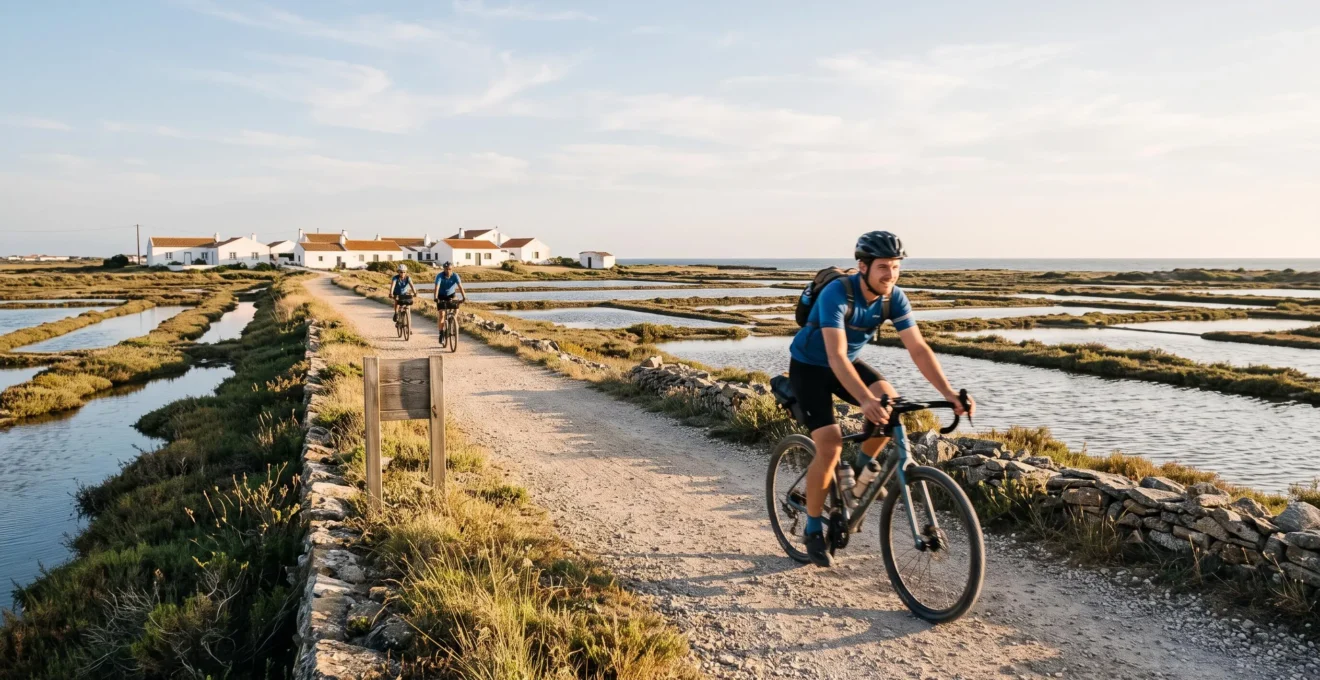
To find the best things to do on Île de Ré, the fastest approach is to match activities to your traveler profile (history, nature, food, family pace), your stay length, and the season. The island is compact enough to cover key highlights in a weekend, but you will enjoy it more if you prioritize rather than try to “do it all”.
This guide helps you choose what to do first—villages and ports to visit, how to plan a bike day, which beaches fit which mood, and when markets and major sites are worth scheduling early in the day. Wherever timing or access can change, you will see what to verify before you go.
How to pick your Île de Ré highlights (in 60 seconds)
- First-timers with little time: start with Saint-Martin-de-Ré (fortifications + port), then add one beach or a market morning.
- Active travelers: build your days around cycling; the official network totals 138 km of signed itineraries.
- Nature-first: aim for the western/northern side (marshes, dunes, lighthouse area) and go early for calmer conditions.
- Food lovers: plan mornings around markets (typically 9 am–1 pm in season), then keep afternoons flexible.
Why Île de Ré Is One of France’s Most Loved Island Getaways
Île de Ré works especially well when you want a trip that feels varied without needing long transfers: preserved villages and small ports, long beaches, and landscapes shaped by salt marshes. Because the island is relatively compact, you can combine “must-sees” with slower moments—an important advantage if you only have two or three days.
Decision tip: if you want an easy, low-stress stay, plan your days around two anchors (a village + one main activity), then fill the gaps with short bike rides, a beach walk, or a market stop. The island is well suited to this “one highlight per half-day” rhythm.
Cas pratique
Hypothetical weekend plan (first visit, relaxed pace): arrive and spend your first afternoon in Saint-Martin-de-Ré (port + a walk on the ramparts). Next morning, do one market early, then cycle a simple flat route between two villages. Finish the second afternoon with a beach walk timed to the light and tide, keeping dinner plans flexible in case you want to linger in a harbor.
Access is another reason it is easy to plan: the island connects to the mainland via a bridge, so you can arrive without a ferry schedule. Once on the island, many classic experiences (villages, beaches, viewpoints) do not require a fixed booking—though seasonal peaks can change that for accommodation and rentals.
Which Villages and Ports Should You Visit First?
The best villages to visit first on Île de Ré depend on what you want to feel right away: history, harbor atmosphere, or nature. If you start with the “wrong” village for your style, the island can feel like a checklist; if you start with the right one, your whole stay flows more naturally.
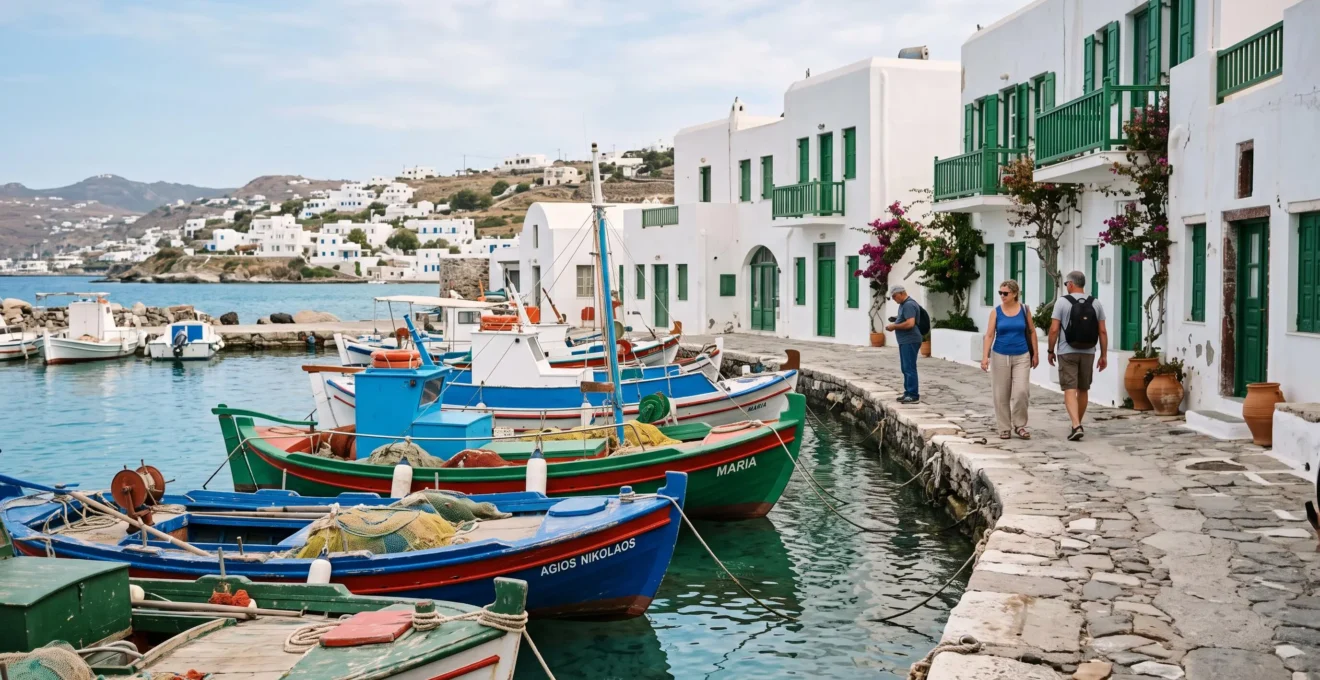
Saint-Martin-de-Ré: who is it for, and what should you prioritize?
Best for: first-time visitors, history lovers, and anyone who wants a “classic” island-port atmosphere with an easy walkable core. Start with the harbor, then head to the fortifications for a panoramic loop.
Proof you can trust: the town’s Vauban fortifications are a documented UNESCO World Heritage inscription. The City of Saint-Martin-de-Ré notes that the Vauban fortifications (built 1681–1691) have been listed since 7 July 2008—see the municipal page about the fortifications Vauban classées UNESCO depuis 2008.
Access and timing to verify on site: visiting conditions can change (works, partial access, opening hours). Check local updates close to your travel dates.
Ars-en-Ré: when does it make the most sense?
Best for: travelers who like postcard-pretty harbor scenes and a calmer, west-coast feel. It is a good pick when you want an afternoon stop after a beach or a longer bike ride, because the port area gives you a natural place to slow down.
Access: easy to combine by bike with nearby villages on the western side, thanks to flat terrain. If you are short on time, it works well as your “one west-coast village” rather than trying to hop between many.
Les Portes-en-Ré: what if you mainly want nature?
Best for: nature-first visitors, birdwatchers, and anyone who prefers dunes, forest edges, and wide horizons over busy harbors. It is a strong choice if your ideal day is “bike + beach + sunset walk” rather than museums and shopping streets.
Access and conditions: plan earlier in the day if you want an unhurried ride, and keep an eye on wind and tide if your goal is a long beach walk.
- You have only 1 day, first visit:
Choose Saint-Martin-de-Ré for the port + ramparts experience, then add one market or beach.
- You want “quiet harbor + west-coast vibe”:
Choose Ars-en-Ré as your main stop and keep the rest of the day outdoors.
- You want mostly landscapes and open space:
Choose Les Portes-en-Ré and build your day around cycling and nature time.
Cycling, Beaches and Markets: The Best Things to Do on Île de Ré
If you want a reliable shortlist, these three experiences shape most “classic” Île de Ré stays: cycling, beach time, and morning markets. What changes is how you combine them based on your pace and the season.
Is Île de Ré doable without a car by bike?
Yes—many travelers manage the island mainly by bike, especially for village-to-village days, because routes are generally flat and built for leisure riding. The key is to choose realistic distances for your group and to keep a buffer for wind.
138km
Official cycling itineraries on Île de Ré, according to the Communauté de Communes de l’Île de Ré (official 2026 map).
To plan your route with something up to date, use the Communauté de Communes’ official map of the réseau officiel de 138 km de pistes cyclables. It helps you avoid improvising on busier roads and makes it easier to build half-day loops.
How do you plan a bike day around the island?
Practical method: pick one “anchor village” for lunch, then ride out-and-back or in a gentle loop. This keeps your day flexible if you want extra time at a beach, in a harbor, or at a viewpoint over the salt marshes.
- Start early enough for your pace
Morning light and cooler temperatures make riding more comfortable, especially in warmer months.
- Choose one main stop
Decide whether the day is “village-first”, “beach-first”, or “nature-first” to avoid zig-zagging.
- Plan a shorter return option
Keep a fallback route if wind picks up or children get tired.
Which beaches suit which type of traveler?
Rather than chasing “the best beach”, match the coastline to your plan for the day. If you want calmer swimming and a family-friendly feel, many travelers look for more sheltered waters; if you prefer open horizons and a sportier atmosphere, the Atlantic-facing side can feel more dynamic.
Decision tip: use the day’s wind and your tolerance for waves as your tie-breaker. If you are unsure, start with a beach walk first, then commit to swimming once you have seen the conditions.
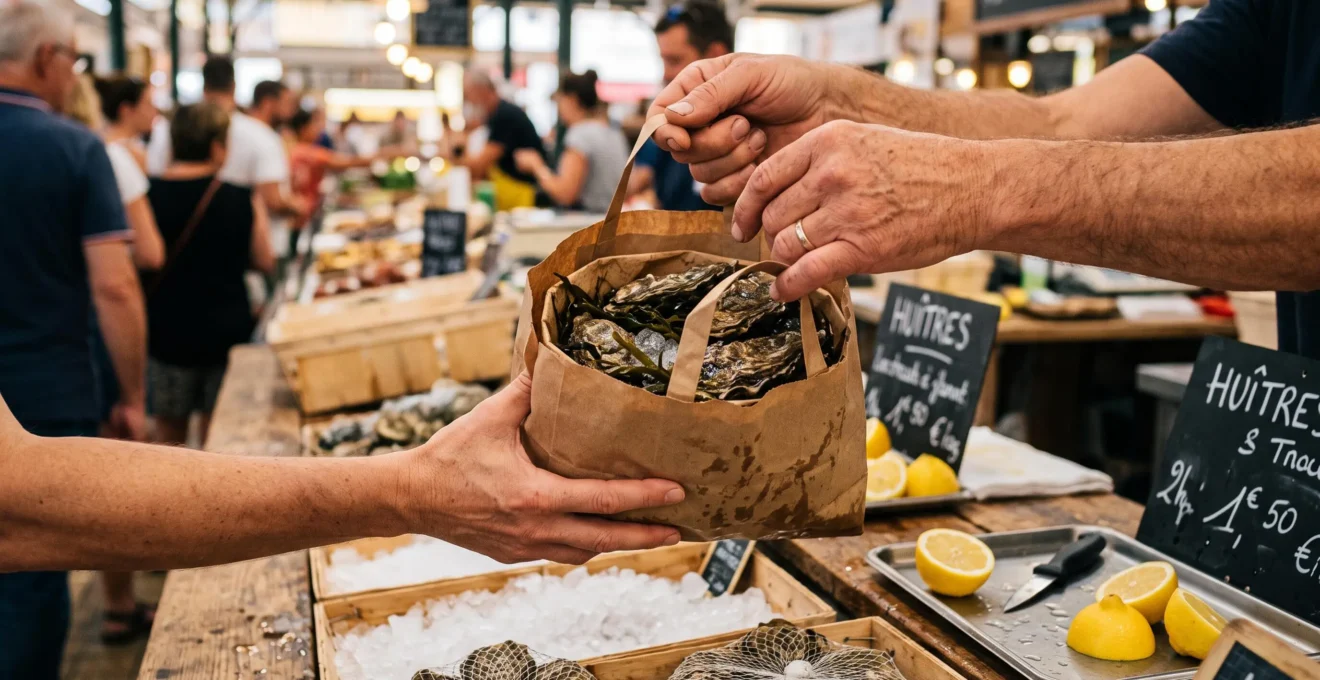
What should you know about markets before you plan your mornings?
Best for: food lovers, photographers, and anyone who wants a “local rhythm” without overplanning. Markets are also a smart first stop because you can buy picnic items and free up the rest of the day.
According to Destination Île de Ré (the official tourist office), every village has a daily market from 9 am to 1 pm in season, with a reduced offer outside peak periods. You can confirm the current days and any seasonal changes on the official page about marchés saisonniers de l’Île de Ré.
Simple rule that saves time: if markets are a priority for your trip, keep at least one morning “open” so you can go when the weather is best for cycling later.
When Is the Best Time to Visit Île de Ré?
The best time to visit Île de Ré depends on what you want more: maximum summer atmosphere or more breathing space for cycling and village strolls. In general, shoulder seasons (spring and early autumn) are often easier for a relaxed pace, while summer brings the fullest range of seasonal activity but can require more anticipation.
What to expect by season: in summer, plan earlier starts and book ahead for accommodation and bike rentals; in spring and early autumn, you can often keep your itinerary looser while still enjoying long days outdoors. In winter, the island can feel very peaceful, but some seasonal services and opening hours may be reduced.
Limit to keep in mind: opening periods and schedules vary by site and season. Verify the practical details (hours, access conditions, reservations) close to your travel dates.
For a concrete choice, imagine your “ideal day” and see which season supports it. If your ideal day is mostly outdoors (bike + beach + sunset), shoulder seasons can be comfortable; if your ideal day includes late dinners and a lively harbor scene, summer may match your expectations better—at the cost of needing more planning.
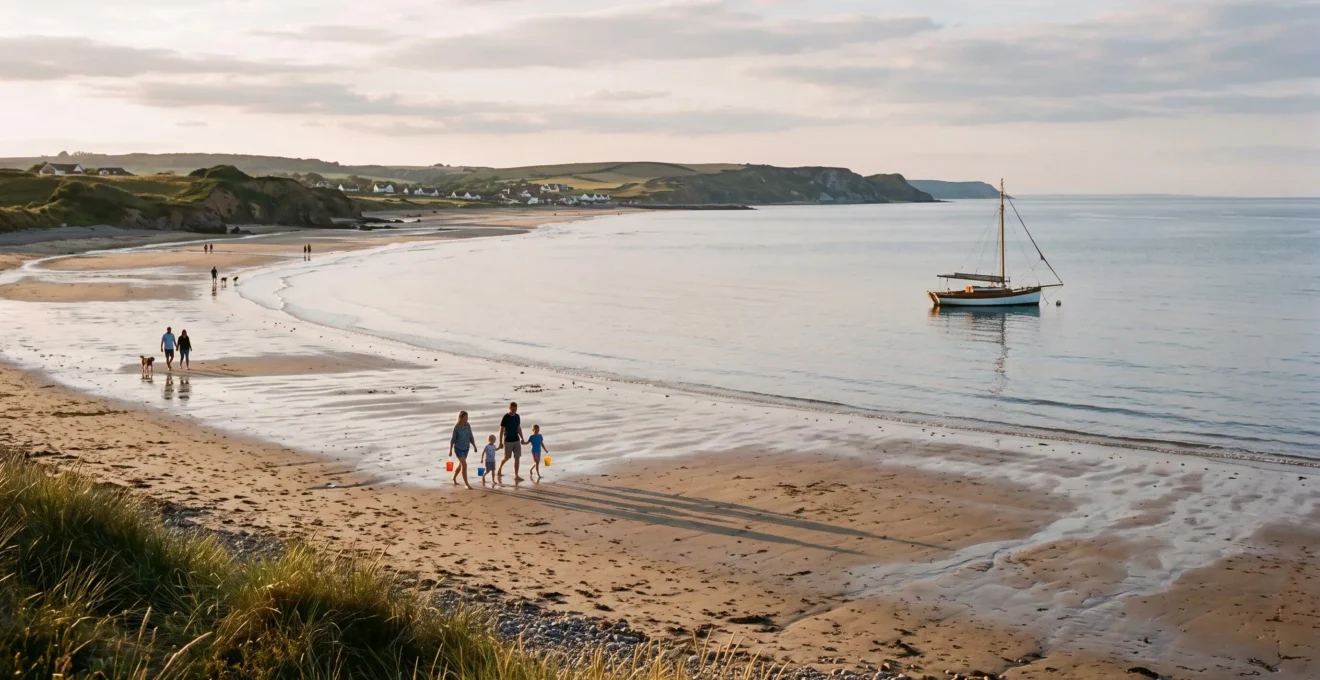
Planning Your Trip: Practical Tips Before You Go
If you are trying to “not miss the essentials” on a short stay, your main win is to reduce friction: have a clear base village, pre-decide 2–3 priorities, and keep the rest as optional. This approach is also the most reliable way to enjoy the best things to do on Île de Ré without spending your days reorganizing logistics.
Practical checklist before you leave:
- Pick your base: a central village makes it easier to split the island into “east day” and “west/north day”.
- Reserve early when demand is higher: accommodation and bike rentals can be harder to secure in peak periods.
- Build around mornings: markets and comfortable cycling conditions often happen earlier in the day.
- Keep one flexible slot: it lets you adjust to wind, tide, or the village you end up liking most.
If you are also comparing other French islands and coastal trips, it can help to read a contrasting destination plan like Corsica beyond beaches—the planning logic (pace, distances, season) is similar, even if the landscapes are very different.
What are the must-do activities on Île de Ré for a first-time visitor?
For most first visits, the “core trio” is: a walk in Saint-Martin-de-Ré (port and Vauban fortifications), one market morning (in season, typically 9 am–1 pm), and at least one bike ride using the signed cycling network. Choose your beach time based on wind and whether you want calmer swimming or a more open-ocean feel.
Which villages on Île de Ré are worth visiting in a short trip?
With limited time, pick two villages with different “personalities”: Saint-Martin-de-Ré for history and harbor atmosphere, then either Ars-en-Ré for a west-coast port stop or Les Portes-en-Ré if you mainly want nature and wide landscapes. Two well-chosen villages usually feel richer than trying to rush through five.
Is Île de Ré doable without a car by bike?
It can be, especially if your plan focuses on villages, beaches, and markets. The Communauté de Communes de l’Île de Ré publishes an official cycling map and states the network totals 138 km of itineraries. Your comfort will depend on your group’s fitness, wind conditions, and whether you keep daily distances reasonable.
When is the best time to visit Île de Ré?
Choose summer if you want the liveliest atmosphere and the fullest seasonal offer, while accepting that you may need to book ahead. Choose spring or early autumn if your priority is a calmer, more flexible rhythm for cycling and village strolls. In winter, expect a quieter island and potentially reduced opening hours for seasonal activities.
If you want a simple next step, decide your profile first (history, nature, food, family pace), then lock in one village base and two “anchors” for your days. From there, Île de Ré becomes easy to enjoy—without rushing and without feeling you missed what makes the island special.