Choosing a Nordic country isn’t about the destination; it’s about making a perfect match with your personal travel personality.
- Norway and Iceland are for epic, high-budget nature quests that demand commitment.
- Denmark and Sweden offer accessible, design-forward urban culture with manageable costs.
- Finland provides a unique experience of introspective wilderness and deep solitude.
Recommendation: Before you book, honestly assess your tolerance for high costs, unpredictable weather, and extreme daylight hours. This will be the key to a successful trip.
The Nordic region presents a paradox for first-time visitors. On one hand, you have five distinct nations, each with its own language, culture, and identity. On the other, the images that fill your social media feeds—dramatic fjords, ethereal Northern Lights, minimalist design, and cozy cafés—begin to blur into a single, beautiful, and slightly intimidating Scandinavian dream. The result is often choice paralysis. Do you commit to Iceland’s volcanic drama, Norway’s fjord-carved coast, Sweden’s stylish archipelagos, Denmark’s « hygge » lifestyle, or Finland’s silent forests?
Most travel guides attempt to answer this by listing attractions, creating a simple checklist of things to see. They tell you that Norway has the fjords and Finland has the saunas. While true, this approach misses the most critical factor in a successful trip. The real key is not just deciding *what* you want to see, but understanding *how* you want to travel. It’s about diagnosing your own Travel DNA—your budget tolerance, your preferred pace, and your psychological resilience to the region’s extreme seasons.
This guide reframes the question. Instead of asking « Which country is best? », we will ask « Which country’s personality best matches yours? ». We will move beyond the postcard views to explore the underlying temperament of each destination: its cost structure, its approach to nature, its seasonal rhythm, and its cultural pulse. By understanding these deeper characteristics, you can make a choice that aligns with your expectations, ensuring your first Nordic adventure is a perfect fit, not a frustrating mismatch.
This article provides a framework to help you compare the Nordic countries based on the factors that truly matter for your trip. The following sections will guide you through a decision-making process to find your ideal destination.
Summary: A Traveler’s Guide to Choosing the Right Nordic Nation
- Why Do Nordic Countries Cost £150+ Per Day for Budget Travel?
- Fjords, Forests or Archipelagos: Matching Nordic Countries to Your Nature Priorities
- Midnight Sun or Northern Lights: Which Nordic Phenomenon Should You Prioritize?
- The Seasonal Affective Shock That Hits 40% of Winter Nordic Country Visitors
- When Can You Experience Nordic Countries’ Best Festivals Outside Tourist Season?
- The Climate Research Failure That Ruins Travel Destinations for First-Time Visitors
- Summer Crowds or Winter Darkness: When Should You Visit Iceland?
- How to Experience Iceland’s Highlights on a £3,000 Budget for Two People?
Why Do Nordic Countries Cost £150+ Per Day for Budget Travel?
The first reality of Nordic travel is the cost. It’s not just a perception; these countries consistently rank among the most expensive in the world. This isn’t due to price gouging tourists, but is a reflection of high local wages, strong social welfare systems, and high Value-Added Tax (VAT) on goods and services. A budget of £150 per day per person is a realistic starting point for a reason. Understanding this « cost personality » is crucial. In Norway and Iceland, your money primarily buys you access to unparalleled, epic nature. In Denmark and Sweden, it grants you entry into a world of high-end design, culinary innovation, and seamless urban infrastructure.
This financial barrier forces a strategic choice. Are you willing to trade restaurant meals for supermarket groceries to afford a glacier hike? Or do you prefer a more comfortable urban experience where your budget covers museum entries and cozy café stops? There is no right answer, but ignoring this question is the fastest way to a disappointing trip. For instance, data shows that hotel prices vary significantly, with average nightly rates in Norway climbing to around ~$164 per night for a double room with breakfast, influencing where your budget is allocated.
The following table breaks down what a tight £150 daily budget can realistically secure in each country, illustrating the different trade-offs you’ll need to make.
| Country | Accommodation (£150 Budget) | Daily Food (£150 Budget) | One Activity (£150 Budget) |
|---|---|---|---|
| Norway | Hostel dorm bed (~£35-50) | 2 restaurant meals (~£50-60) | Fjord cruise or museum entry (~£40-60) |
| Iceland | Hostel dorm bed (~£45-60) | 2 budget meals/groceries (~£40-50) | Blue Lagoon entry or tour (~£40-50) |
| Denmark | Budget hotel/hostel (~£40-55) | 3 meals with alcohol (~£55-70) | City tour or attraction (~£25-35) |
| Sweden | Guesthouse/hostel (~£35-45) | 2-3 meals, some groceries (~£45-55) | Museum + café (~£45-60) |
| Finland | Private cottage/guesthouse (~£50-70) | 2-3 meals, groceries (~£40-50) | Sauna experience (~£30-40) |
Fjords, Forests or Archipelagos: Matching Nordic Countries to Your Nature Priorities
Beyond cost, the primary draw for many visitors is the Nordic landscape. However, « nature » is not a monolith. The experience of it varies dramatically in scale, accessibility, and required commitment. Your choice of country should be a direct reflection of your preferred relationship with the outdoors. Do you want dramatic views that are easily accessible from a city, or are you seeking profound solitude that requires days of travel? This is a core component of your Travel DNA.
This spectrum from accessible to remote is key. Denmark’s coastline and Sweden’s Stockholm archipelago offer stunning natural beauty within a half-day’s trip from a major city. In contrast, Norway’s most iconic inner fjords and Iceland’s highlands demand a multi-day commitment, significant travel, and advance planning. Finland offers a third path: a contemplative experience in its vast Lakeland and Taiga forests, often centered around a private cabin and sauna.
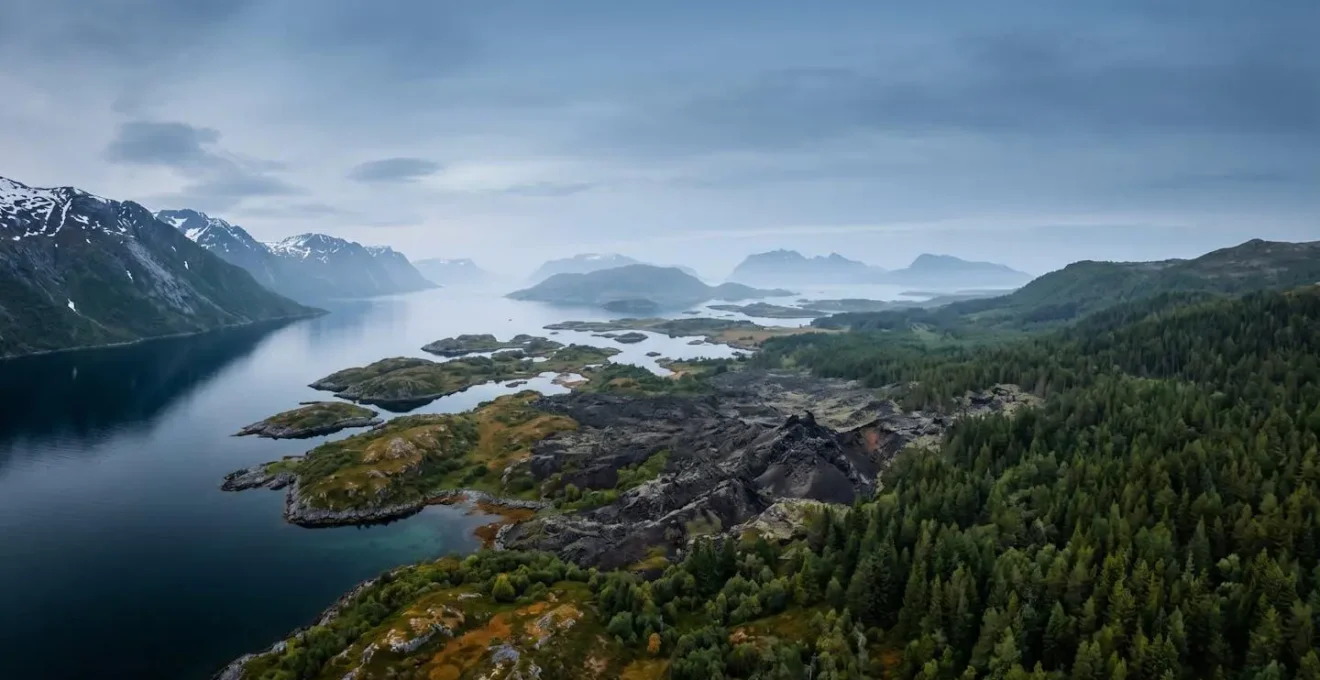
As the image above illustrates, there’s a world of difference between easily reached coastal islands and the immense, challenging scale of a deep fjord. One is a day trip; the other is an expedition. Matching the landscape’s character to your energy level and time commitment is essential.
- High Accessibility + Dramatic Views: Ideal for travelers who want a mix of city and nature. Found in Denmark’s coastal areas and the Stockholm archipelago, allowing for easy half-day trips.
- Moderate Accessibility + Active Adventure: For those willing to dedicate a few days to a specific region. This describes Norway’s Lofoten Islands and Iceland’s South Coast, which require flights or ferries and a 1-3 day commitment.
- High Remoteness + Contemplative Experience: Perfect for travelers seeking to disconnect. This is the essence of Finland’s Lakeland and Taiga forests, focused on cabin stays, saunas, and foraging.
- Extreme Remoteness + Epic Scale: Reserved for dedicated adventurers. This includes Norway’s inner fjords and Iceland’s Highlands, requiring a multi-day commitment and extensive planning.
Midnight Sun or Northern Lights: Which Nordic Phenomenon Should You Prioritize?
The two great celestial draws of the Nordic region—the 24-hour daylight of the Midnight Sun and the dancing Aurora Borealis—define its two distinct travel seasons. Your choice between them is not just a logistical one; it dictates the entire energy and psychological feel of your trip. This is the region’s Seasonal Temperament in action. The Midnight Sun (May-July) offers an expansive, active energy, fueling 24/7 hiking and a vibrant café culture. The Northern Lights season (September-March) fosters a cozy, introspective mood, with short days dedicated to winter sports and long nights spent hunting the aurora.
Predictability is the single biggest differentiator. The Midnight Sun is a 100% guaranteed astronomical event. If you are in the Arctic Circle on the right dates, you will experience it. The Northern Lights, however, are a gamble. They depend on a volatile combination of solar activity and, crucially, clear skies. In a place like Northern Finland, the probability is high, with some studies suggesting you can see them on 75% of clear nights, but cloud cover can mean a week of waiting with no reward. This makes the aurora a high-risk, high-reward pursuit best suited for patient travelers.
The following table compares these two phenomena across several crucial factors to help you determine which experience aligns best with your travel personality.
| Criterion | Midnight Sun (May-July) | Northern Lights (Sept-March) |
|---|---|---|
| Predictability | 100% guaranteed on specific dates | Highly unpredictable (cloud cover, solar activity) |
| Energy Level | Active, expansive (24/7 outdoor activities) | Cozy, introspective (short days, nighttime hunts) |
| Sleep Impact | Can disrupt sleep patterns | Normal sleep cycle |
| Gateway Activities | Festivals, midnight hiking, 24/7 café culture | Dog sledding, snowmobiling, sauna culture |
| Risk Factor | Low (guaranteed experience) | High (potential for disappointment) |
| Best For | First-time visitors, families, active travelers | Patient travelers, winter sports enthusiasts |
The Seasonal Affective Shock That Hits 40% of Winter Nordic Country Visitors
While the allure of the Northern Lights is powerful, first-time winter visitors are often unprepared for its psychological counterpart: the profound darkness. The polar night, or *kaamos* as it’s known in Finland, is more than just a lack of sun. It’s a persistent twilight that can deeply impact mood and energy levels, a phenomenon some researchers have dubbed a « seasonal affective shock » for tourists. For those unaccustomed to it, the limited daylight (often just a few hours of ethereal blue light) can feel disorienting and even draining, especially if a week of cloudy skies dashes any hope of seeing the aurora.
However, locals have developed sophisticated cultural coping mechanisms over centuries. Embracing these strategies is the key to not just surviving, but thriving in the Nordic winter. Instead of fighting the darkness, the culture leans into it. This is the origin of Denmark’s hygge (coziness), Sweden’s fika (a social coffee break), and Finland’s national obsession with the sauna. These are not just charming traditions; they are essential tools for social warmth and mental well-being during the darkest months.
Rather than seeing the darkness as a negative, shifting your mindset to appreciate the unique beauty of the « blue hour » can transform your experience. This is a time for photographers, for quiet reflection, and for embracing indoor cultural activities. To fully enjoy a winter trip, it’s vital to adopt these local strategies.
- Light Therapy: Many Nordic hotels provide 10,000-lux light therapy lamps. Using one for 20-30 minutes each morning can help regulate your circadian rhythm.
- Social Warmth: Actively participate in local rituals like fika, hygge, or communal sauna sessions. They are designed to foster connection.
- Physical Reset: The classic Nordic cycle of a hot sauna followed by a cold plunge (or a roll in the snow) is a powerful way to boost endorphins.
- Nutritional Defense: Seek out foods rich in Vitamin D, such as salmon and herring, or consider supplements. Many dairy products are also fortified.
- Embrace the Blue Hour: Reframe « darkness » as a unique photographic and atmospheric opportunity that exists for only a few hours a day.
When Can You Experience Nordic Countries’ Best Festivals Outside Tourist Season?
One of the best ways to connect with authentic Nordic culture is to time your visit with a local festival. However, many travelers assume the best events happen during the peak summer months of June and July, leading them into the biggest crowds and highest prices. In reality, some of the most unique and genuine celebrations take place in the « shoulder seasons » of late spring and early autumn, offering a better balance of good weather, lower costs, and a higher ratio of locals to tourists.
Traveling during these off-peak times provides significant benefits. Not only do you get a more authentic experience, but the savings can be substantial. For example, travel industry analysis shows that tours to major hubs like Stockholm and Oslo can be up to 30% cheaper in March compared to the summer peak. This allows your budget to go further, perhaps enabling a special meal or unique activity you couldn’t otherwise afford. The key is to match your interests—be it food, design, music, or just quirky traditions—to the right off-peak event.
The following table organizes some of the region’s best festivals by « traveler type, » highlighting when and where you can find them outside the main tourist crush.
| Traveler Type | Festival/Event | Country | Month | Tourist-to-Local Ratio |
|---|---|---|---|---|
| For the Foodie | Copenhagen Cooking Festival | Denmark | August | 40% international |
| For the Foodie | Swedish Crayfish Parties (Kräftskiva) | Sweden | August | 10% international (highly local) |
| Design Aficionado | Helsinki Design Week | Finland | September | 30% international |
| Design Aficionado | Stockholm Furniture & Light Fair | Sweden | February | 60% trade/professional |
| Music Lover | Iceland Airwaves | Iceland | November | 50% international |
| Quirk Enthusiast | World Wife-Carrying Championships | Finland | July | 20% international (authentic local) |
| Winter Culture | Pikkujoulu (Little Christmas) | Finland | November-December | 5% international (deeply local) |
The Climate Research Failure That Ruins Travel Destinations for First-Time Visitors
One of the most common pitfalls for first-time visitors is the « Instagram vs. Reality » gap. Our travel plans are often inspired by flawless, sun-drenched photos of epic landscapes, leading us to believe these conditions are the norm. This failure to research the *actual* climate and seasonal accessibility of a destination can lead to major disappointment. A stunning photo of a hiker atop a Norwegian peak rarely mentions that the trail is impassable for six months of the year, or that the region experiences a high probability of rain even in summer.
This disconnect is particularly pronounced in Iceland and Norway, where the weather is notoriously fickle and access to certain areas is highly seasonal. Travelers arrive in Iceland in October expecting to easily see the Northern Lights, only to be met with a week of solid cloud cover. Others plan a spring trip to Norway’s famous Pulpit Rock (Preikestolen), unaware that the trail can be dangerously icy and is often closed until late spring. Believing the perfect photo represents the everyday reality is a critical mistake.
True trip planning requires moving beyond inspirational imagery and digging into climate data, seasonal access reports from official tourism sites, and recent trip reports from travel bloggers. This pragmatic research helps set realistic expectations and builds an itinerary that is resilient to the whims of nature.
Case Study: Instagram vs. Reality
Many travelers book a week-long trip to Iceland in winter purely to see the Northern Lights, influenced by spectacular photos. However, they fail to account for Iceland’s persistent coastal cloud cover. Trip reports frequently detail visitors spending an entire week under cloudy skies, never catching a glimpse of the aurora. Similarly, summer photos of Norway’s Pulpit Rock inspire countless visits, but few realize the trail is often closed or hazardous from autumn to spring due to ice and snow. The viral image rarely includes a disclaimer about the 60% probability of rain on any given day in Western Norway, which can turn the hike into a slippery, low-visibility ordeal.
Summer Crowds or Winter Darkness: When Should You Visit Iceland?
Iceland presents the Nordic travel dilemma in its most extreme form. The choice of season has a more dramatic impact here than anywhere else in the region. Summer (June-August) offers the Midnight Sun, accessible highland roads (F-roads), and green landscapes, but it comes at a steep price: massive crowds at popular sights and sky-high costs. In fact, analysis shows that campervan rentals and guesthouse prices can be 50-70% more expensive in peak summer than in the shoulder seasons.
Winter (November-March), conversely, offers the chance to see the Northern Lights, ice caves, and a landscape blanketed in snow, with far fewer tourists. The trade-off is severe: extremely short daylight hours, unpredictable weather, and many roads—especially in the north and the highlands—being completely impassable. This makes a winter trip a much more constrained and potentially challenging experience, centered around the South Coast.
For many, the ideal solution lies in the shoulder months, particularly September. This month often represents the « holy grail » of Iceland travel, offering a unique blend of both worlds. As one expert from Traverse Blog notes, it provides a rare window of opportunity that balances access with opportunity.
September is the ultimate month for Iceland, offering a unique combo: accessible highland roads for hiking AND enough darkness for a chance to see the Northern Lights – a rare combination.
– Nordic Travel Expert Analysis, Traverse Blog – Best of Scandinavia Itinerary
Key Takeaways
- Your perfect Nordic country depends on your personal « Travel DNA »—your budget, pace, and tolerance for seasonal extremes.
- Norway and Iceland are for high-cost, epic nature expeditions; Denmark and Sweden are for accessible, design-led urban culture; Finland is for deep, quiet wilderness solitude.
- Seasons are more than weather; they are psychological states. The expansive energy of the Midnight Sun is the opposite of the introspective coziness of the polar night.
How to Experience Iceland’s Highlights on a £3,000 Budget for Two People?
Let’s put this theory into practice with a common travel goal: experiencing Iceland on a specific budget. A budget of £3,000 for two people for a week might seem substantial, but in the Nordics, it requires careful planning. This same budget would yield a very different trip in Sweden or Denmark, highlighting the distinct Cost Personality of each nation. In Iceland, that £3,000 is best spent on a campervan, combining transport and accommodation to focus on self-driven access to natural wonders. In Sweden, it could stretch to a longer, 12-day trip using trains and staying in guesthouses, exploring multiple cities and taking advantage of free nature access.
The key to a successful budget trip in an expensive country like Iceland is a « splurge versus save » strategy. It involves identifying the unique, once-in-a-lifetime experiences worth paying for (splurges) and ruthlessly cutting costs on things that can be done more affordably or authentically (saves). Forgoing the famous but pricey Blue Lagoon in favor of local public pools, for example, not only saves a significant amount of money but also offers a more genuine Icelandic cultural experience.
Understanding what your money buys in each country is essential for setting realistic expectations and maximizing your experience, as this comparative table shows.
| Destination | Duration | Accommodation Style | Transport | Activities Included |
|---|---|---|---|---|
| Iceland | 7 days | Campervan (combined transport/sleep) | Ring Road drive, fuel included | Self-drive natural attractions, 1-2 paid tours |
| Sweden | 12 days | Mix of cabin stays & guesthouses | Train passes & regional buses | Free nature access (allemansrätten), multiple cities |
| Denmark | 10 days | Mid-range hotels & Airbnb | Bike rentals & trains | City attractions, countryside cycling, dining |
| Norway (Alternative) | 7-8 days | Budget hotels/hostels | Limited fjord region focus | 1-2 major fjord experiences, hiking |
Your Action Plan: The £3,000 Iceland Budget Strategy
- SPLURGE: Book a glacier hike with a certified guide (~£70-90 per person). This is a unique, high-value experience that cannot be replicated safely on your own.
- SAVE: Skip the Blue Lagoon (£50+). Instead, visit local public pools and « hot pots » (£5-8) for an authentic Icelandic bathing experience alongside locals.
- SAVE: In summer (May-September), rent a 2WD car (£50-80/day) instead of a 4×4 (£130-200/day). The main Ring Road is paved and does not require four-wheel drive.
- SPLURGE: Plan for one high-quality restaurant meal in Reykjavík (~£60 for two) to experience Iceland’s renowned lamb or seafood.
- SAVE: Self-cater for 80% of your meals by shopping at budget supermarkets like Bónus. A budget of £40-50 per day can cover groceries for two people.
Now, instead of asking « where should I go? », you can begin with a better question: « what kind of traveler am I? ». By diagnosing your own Travel DNA and understanding the distinct personality of each Nordic nation, you are equipped to move beyond the generic and plan an adventure that is not just beautiful, but perfectly and authentically yours.