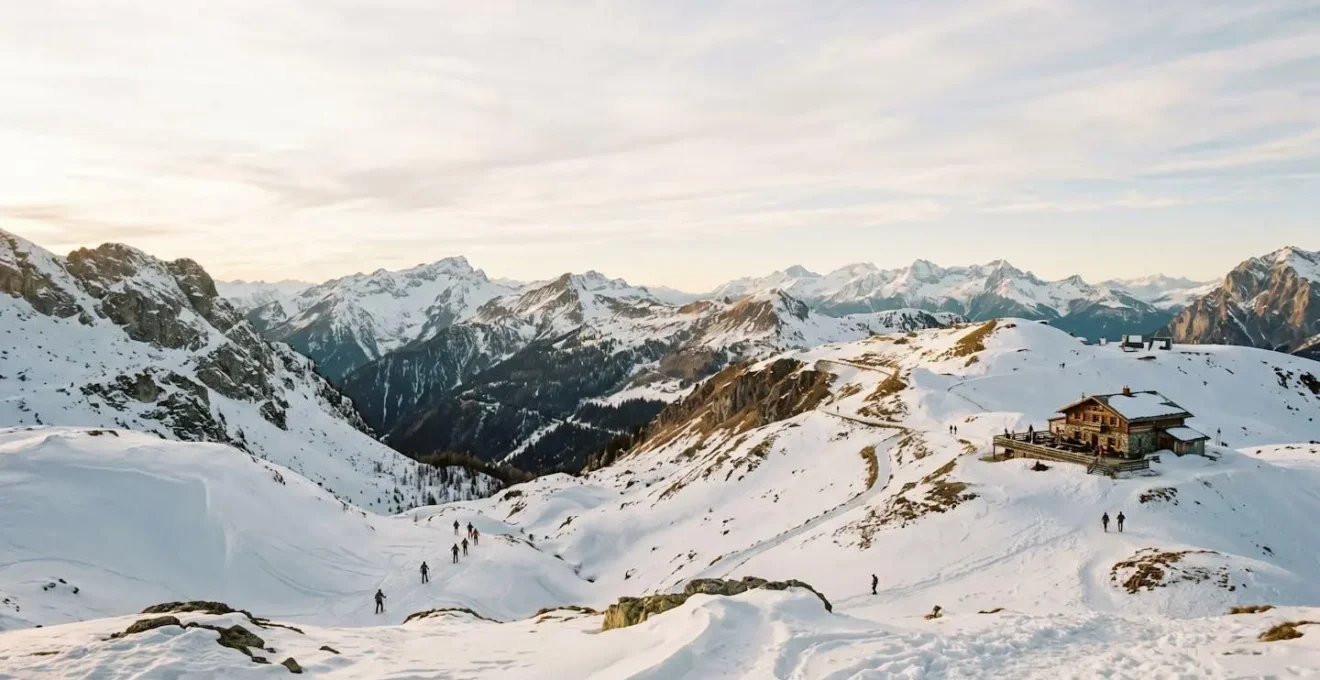
The key to a brilliant non-skiing winter holiday isn’t finding random activities; it’s about becoming the architect of your own experience by making smarter strategic choices.
- Timing and location are everything: Avoiding peak school holiday pricing and choosing climate-resilient destinations are your first and most powerful moves.
- Success is personal: It’s about matching the destination’s atmosphere (cozy vs. sun) and activities to your personal travel style, not just following a generic list.
Recommendation: Shift your mindset from « what can I do? » to « what kind of experience do I want to create? » Use the principles of timing, location, and atmosphere to design a trip that makes skiing an afterthought.
The scene is all too familiar. Your partner, family, or friends are buzzing with excitement, discussing black runs and fresh powder as they head for the ski lifts. And you? You’re left holding the hot chocolate, facing a long day in a cozy but ultimately confining lodge. For years, the non-skier on a winter holiday has been treated as a companion, a ‘plus-one’ whose needs are an afterthought. The conventional advice is a predictable list of passive activities: browse the local shops, book a spa treatment, or find a good book to read by the fire.
While there is nothing wrong with a good book, this model is fundamentally flawed. It positions the non-skiing experience as secondary—a way to simply pass the time. It ignores a fundamental truth: a winter destination offers a rich tapestry of sensory experiences that have nothing to do with strapping two planks to your feet. The crisp silence of a snow-dampened forest, the ethereal glow of alpenglow on a mountain peak, the communal warmth of a bustling Christmas market—these are primary, not secondary, attractions.
But what if the entire approach was wrong? What if the secret wasn’t just finding a better list of activities, but adopting a completely new mindset? This guide challenges the ski-centric holiday model. It’s built on the premise that you, the non-skier, can and should be the architect of the entire holiday experience. By understanding a few core strategic principles—from timing and climate realities to personal comfort and itinerary pacing—you can design a trip that is not just « fun for non-skiers, » but is an exceptional winter journey in its own right.
This article provides a complete framework for architecting that perfect trip. We’ll explore the strategic levers you can pull, from understanding market dynamics and climate science to making personal choices that align with your ideal winter escape. Get ready to move from the lodge to the driver’s seat.
Summary: Architecting Your Ideal Winter Holiday Beyond the Slopes
- Why Do Winter Destinations Cost Double During School Holidays?
- How to Choose Winter Destinations With Guaranteed Snow in a Warming Climate?
- Winter Sun Escape or Snowy Mountain Retreat: Which Winter Destination Type Suits You?
- The Layering Error That Ruins Comfort in Winter Destinations for 50% of Visitors
- When Should You Book Winter Destinations to Avoid Sold-Out Resorts and Peak Prices?
- The Cold Shock That Surprises 60% of First-Time Vilnius Winter Visitors
- Midnight Sun or Northern Lights: Which Nordic Phenomenon Should You Prioritize?
- Sweden, Norway, Finland, Denmark or Iceland: Which Nordic Country Suits Your Travel Style?
Why Do Winter Destinations Cost Double During School Holidays?
The first step in becoming a savvy winter travel architect is understanding the market forces you’re up against. The eye-watering prices during school holidays aren’t arbitrary; they are a direct result of overwhelming demand compressing into a few specific weeks. This demand is largely driven by families with school-age children who have little flexibility in their travel dates. When a huge segment of the population is forced to travel at the same time, simple economics dictates that prices for flights, accommodation, and even lift passes will skyrocket.
This phenomenon is significant. An Inntopia analysis of the 2024/25 school year reveals that mid-winter breaks affect a massive portion of the market, with shifts in calendars creating intense, concentrated demand spikes. For instance, an analysis by Faye Travel Insurance found the average insured trip for the 2024 Christmas and New Year’s period cost a staggering $14,232. This figure encapsulates the premium that resorts charge when they know a captive audience of families must travel during these peak times.
For the non-skier, this presents a critical strategic opportunity. If you are not bound by a school calendar, you hold a powerful advantage. By simply shifting your travel dates outside of these peak weeks, you can not only cut your costs dramatically but also enjoy a more relaxed, less crowded experience. Understanding this dynamic is the foundational move in designing a smarter, more enjoyable winter holiday.
How to Choose Winter Destinations With Guaranteed Snow in a Warming Climate?
After timing, the next critical architectural decision is location. In the past, choosing a winter destination was simple: pick a well-known resort. Today, however, a warming climate has introduced a new and non-negotiable variable: snow reliability. The romantic image of a winter wonderland is becoming less of a guarantee, forcing savvy travelers to think more like climatologists. Relying on historical reputation is no longer enough; you need to choose destinations with built-in climate resilience.
The data is sobering. Research highlighted by National Geographic shows an alpine snow cover decline of 5.6% per decade since the 1970s. This isn’t a distant future problem; it’s a present-day reality affecting the very viability of low-to-mid-altitude resorts. A survey of Swiss ski resort operators revealed a stark forecast: they expect only 4.9 snow-secure winters out of 10 between 2041 and 2050 at certain altitudes. For a non-skier whose enjoyment hinges on atmosphere, landscape, and activities like snowshoeing, arriving to find brown, patchy slopes is a holiday-ruining scenario.
The strategic solution is to prioritize high-altitude destinations and those with glaciers. These locations offer a much higher degree of snow security. They are naturally colder, retain snow for longer, and often provide access to year-round ice fields. For the experience architect, this means your search criteria should include « altitude » and « glacier access » as primary filters, often even more important than the resort’s brand name.
As the image of a high-altitude glacier demonstrates, these environments offer a dramatic and reliable winter stage. Choosing these resilient locations isn’t just about guaranteeing snow; it’s about future-proofing your winter holiday plans and ensuring the magical atmosphere you’re seeking will actually be there when you arrive.
Winter Sun Escape or Snowy Mountain Retreat: Which Winter Destination Type Suits You?
Once you’ve considered the practicalities of timing and climate, the architectural process becomes deeply personal. It’s time to define the core sensory experience you’re craving. The term « winter holiday » is often narrowly defined as a snowy mountain escape, but it’s a broader concept. The fundamental choice often boils down to two distinct archetypes: the cozy, festive Snowy Mountain Retreat or the rejuvenating, light-filled Winter Sun Escape. Deciding between these two is about identifying your desired atmosphere and sensory rewards.
The appeal of a mountain retreat is rooted in concepts like ‘hygge’ (Danish) or ‘gemütlichkeit’ (German)—a feeling of cozy contentment. It’s a world of stark, beautiful contrasts: the biting crispness of the outside air versus the enveloping warmth of an indoor fire; the profound silence of a snow-covered landscape versus the cheerful buzz of a mountain restaurant. This choice is for those who find energy in quiet contemplation, festive atmospheres, and the unique culture of alpine life. As the Hospitality Net reports, citing Pinterest data, there’s a powerful trend towards this, with searches for ‘quiet life’ surging by an impressive 530%, reflecting a desire for the very peace that mountain retreats offer.
In contrast, a winter sun escape is about restoration through warmth and light. It’s for those who feel depleted by the short, dark days of winter and seek to recharge with vitamin D. The sensory rewards are different but no less potent: the feeling of warm sun on your skin, the sound of waves, and the vibrant energy of a culture that lives outdoors. This is the choice for the traveler who wants to trade boots for bare feet and parkas for light sweaters.
To help you architect this crucial choice, the following matrix breaks down the key differences in experience, allowing you to align your destination with your personal travel style.
| Experience Factor | Winter Sun Escape | Snowy Mountain Retreat |
|---|---|---|
| Primary Sensory Reward | Warmth, beach atmosphere, ocean sounds | Silence (sound-dampening snow), alpenglow, crisp air, cozy warmth contrast |
| Activity Diversity | Water sports, coastal exploration, cultural sites | Snowshoeing, ice skating, hot springs, mountain dining, sledding, festivals |
| Atmosphere | Relaxed, bright, energizing | Festive, hygge/gemütlichkeit, contemplative |
| Best for Persona | Beach lover, sun seeker, warm-weather enthusiast | Cozy seeker, active explorer, cultural gastronome |
| Unique Cultural Element | Tropical or Mediterranean winter traditions | Alpine museums, cheese-making tours, winter carnivals, local crafts |
The Layering Error That Ruins Comfort in Winter Destinations for 50% of Visitors
Architecting a great winter experience isn’t just about the big picture; it’s also about mastering the small details that make a huge difference. Chief among them is personal comfort, and nothing sabotages a day of winter exploration faster than being cold and miserable. Many first-time visitors to cold climates make a critical mistake, but it’s not what you think. The most common error isn’t under-dressing; it’s improper layering, particularly over-dressing.
When you head out for a walk or snowshoeing, your body generates heat. If you’re wearing too many heavy layers, you’ll start to sweat. That moisture gets trapped in your clothes, and the moment you stop moving, it cools rapidly, chilling you to the bone far more effectively than the outside air ever could. This is the dreaded « sweat-and-freeze » cycle. In fact, outdoor gear experts at Sierra report that wearing too many layers is the number one mistake people make. The key isn’t to pile on bulky sweaters but to create a versatile system of technical layers that you can adjust.
The correct strategy is a three-part system, a form of personal climate control:
- Base Layer: Next to your skin, this layer’s job is to wick moisture away. Avoid cotton at all costs, as it holds moisture. Opt for merino wool or synthetic fabrics.
- Mid-Layer: This is your insulation layer. A fleece or a light down-puffy jacket works perfectly. Its job is to trap your body heat.
- Outer Layer (Shell): This layer protects you from the elements—wind, snow, or rain. It should be waterproof or water-resistant and breathable to let the moisture from your base layer escape.
This system allows you to add or remove layers as your activity level and the weather change. Getting warm on a brisk walk? Remove the mid-layer. Wind picking up? Zip up the shell. Mastering this isn’t just a packing tip; it’s a fundamental skill for any non-skier who wants to actively and comfortably enjoy the winter landscape.
The beauty of this system lies in the advanced materials that make it possible. The technical weaves and textures of modern outdoor gear are designed specifically to manage heat and moisture, ensuring your comfort across a wide range of conditions.
When Should You Book Winter Destinations to Avoid Sold-Out Resorts and Peak Prices?
We’ve established that avoiding peak school holiday weeks is the single most effective way to save money and avoid crowds. But when, exactly, is the best time to book and travel? The answer lies in mastering the art of the shoulder season. These are the periods just before and just after the peak season, offering a « best of both worlds » scenario: lower prices, fewer people, and often, excellent conditions.
For winter destinations, the primary shoulder seasons are typically from late November to mid-December (before the Christmas rush) and from mid-March to April (after the main winter breaks). Traveling during these windows is a core tenet of smart experience architecture. The financial benefits are undeniable. A case study of Hilton properties in Vail, Colorado, showed a room at the Highline Vail costing nearly $700 per night during Christmas week, but that price dropped by about $150 per night in late March. For a week-long stay, that’s a saving of over $1,000 on accommodation alone.
This isn’t a niche trick; it’s a growing trend among savvy travelers. A survey by Travelsavers and NEST found that 32% of travel agencies reported increased shoulder season bookings, indicating that people are catching on to the benefits. For non-skiers, the late-winter shoulder season (March/April) can be particularly magical. You still get the snowy landscapes and access to winter activities, but you also benefit from longer daylight hours, sunnier skies, and the vibrant atmosphere of « spring skiing » season without ever touching a ski.
The booking window for these periods is also more forgiving. While peak season often requires booking up to a year in advance, you can typically secure shoulder season travel 3 to 6 months out. This gives you more flexibility while still locking in significant value. By strategically targeting these periods, you transform your trip from a costly, crowded ordeal into a relaxed, affordable, and authentic experience.
The Cold Shock That Surprises 60% of First-Time Vilnius Winter Visitors
Even with perfect layering, exploring a truly cold city like Vilnius in winter can be a shock to the system. The biting Baltic wind and sub-zero temperatures can quickly drain energy and enthusiasm, turning a dream trip into an uncomfortable endurance test. The mistake many visitors make is trying to sightsee with a summer mentality—long, uninterrupted hours of walking. This is where the concept of itinerary pacing becomes a crucial architectural tool.
Effective itinerary pacing in a cold climate isn’t about seeing less; it’s about structuring your day to manage your exposure to the cold. The goal is to alternate between outdoor exploration and warm, indoor refuges. This rhythm of « explore-and-warm » allows you to experience the beauty of the city in winter without succumbing to the cold. It turns cafés, museums, and shops from mere « things to do » into vital, strategic components of your day’s plan.
A brilliant rule of thumb for this is the « 90-Minute Rule. » Plan your outdoor activities in focused 90-minute blocks, followed by a 60-minute stop indoors to fully warm up and recharge. This prevents the deep, lingering chill from setting in and keeps your energy levels high. This isn’t about retreat; it’s about a smarter, more sustainable way to engage with a winter city. The cozy warmth of a candle-lit café isn’t an escape from the winter experience; it’s an essential part of it.
Your Action Plan: The 90-Minute Rule for Strategic Winter Pacing
- Block 1 (90 min outdoor): Start with a walking tour of Vilnius Old Town’s historic squares and architecture during morning hours when energy is highest.
- Warm-up Stop (60 min indoor): Retreat to a traditional Lithuanian café for hot chocolate or coffee, or visit the Literatų gatvė (Street of Literature) indoor courtyard.
- Block 2 (90 min outdoor): Explore Cathedral Square and the frozen Vilnia River area, allowing time for photography in the unique winter light.
- Warm-up Stop (60 min indoor): Visit a museum such as the National Museum or warm up in a cozy restaurant for a traditional Lithuanian lunch.
- Block 3 (90 min outdoor): Take an evening stroll through illuminated streets to experience outdoor markets with steaming food stalls, embracing the atmosphere.
- Final Warm-up: End the day in a warm, candle-lit bar, appreciating the contrast between the cold outside and the cozy interior as part of the Baltic winter experience.
Midnight Sun or Northern Lights: Which Nordic Phenomenon Should You Prioritize?
For many, a trip to the Nordics is centered around witnessing one of two legendary natural phenomena: the ethereal dance of the Northern Lights (Aurora Borealis) in winter, or the surreal, endless daylight of the Midnight Sun in summer. From an experience architect’s perspective, these are not interchangeable bucket-list items. They are fundamentally different types of experiences that shape your entire trip, from cost and activity diversity to the very rhythm of your days.
Choosing to chase the Northern Lights is to embrace a journey of patience and magic. It’s a winter experience, requiring you to travel between September and March. The « wow-factor » is arguably one of the highest in the travel world, but it comes with a crucial caveat: success is never guaranteed. It depends on a perfect trifecta of clear skies, high solar activity, and being in the right place at the right time. Your days are short, with only 4-6 hours of usable daylight, so activities are focused and intense: dog sledding, sauna rituals, and snowmobile tours, all culminating in a nightly, hopeful vigil. It’s a trip for the patient soul who loves a cozy, candle-lit atmosphere and is willing to trade a high degree of certainty for a chance at witnessing true magic.
Opting for the Midnight Sun, on the other hand, is to choose a trip of expansive energy and guaranteed success. In the summer months, the sun never sets above the Arctic Circle. The phenomenon itself is 100% reliable. This endless daylight transforms what’s possible, allowing for 24/7 exploration. You can go for a hike at midnight, kayak down a fjord at 2 a.m., or embark on epic road trips where time seems to lose all meaning. The activity diversity is immense, and the overall cost is often more moderate than a specialized winter aurora tour. This is a trip for the active explorer who wants to maximize every single moment and feels energized by constant light and motion.
There is no « better » choice, only the one that is better for you. This decision matrix can help clarify which Nordic wonder aligns with your travel style.
| Decision Factor | Northern Lights (Winter) | Midnight Sun (Summer) |
|---|---|---|
| Likelihood of Success | Variable (weather-dependent, solar activity) | 100% (guaranteed phenomenon) |
| Typical Cost | Higher (specialized aurora tours, winter gear rental, premium accommodations) | Moderate (standard summer travel pricing) |
| Activity Diversity | Limited by short daylight (4-6 hours), focused activities: dog sledding, sauna, snowmobile tours | Extensive (18-24 hours daylight): hiking, road trips, kayaking, cycling, wildlife watching |
| Experience Intensity | Concentrated, magical, patience-required (aurora chasing) | Expansive, energizing, constant movement possible |
| Cultural Atmosphere | Cozy ‘kos’ culture, candlelit interiors, traditional winter festivals | Outdoor festivals, active adventure culture, endless exploration energy |
| Wow-Factor | Extremely high (if visible) – once-in-lifetime visual spectacle | High – surreal 24-hour daylight experience |
| Best For Non-Skier | Patient traveler seeking magical moments, cozy atmosphere lover, photographer | Active explorer, road-tripper, nature enthusiast, family with young children |
Key takeaways
- Stop being a passive companion; become the active architect of your winter holiday by making deliberate, strategic choices.
- Your most powerful tools are timing (avoiding peak weeks) and location (choosing high-altitude, climate-resilient destinations).
- True success comes from matching the destination’s sensory rewards and atmosphere to your personal travel style, rather than just its list of activities.
Sweden, Norway, Finland, Denmark or Iceland: Which Nordic Country Suits Your Travel Style?
Now that you’re armed with the principles of experience architecture, the final step is to apply them to concrete choices. If you’ve decided on a snowy Nordic winter retreat, the question becomes: which country? While they share a regional identity, each offers a distinct « winter archetype » with signature non-skiing experiences. Choosing the right one means matching the country’s core strength to your personal travel style.
Your choice should be guided by the kind of story you want to tell when you get home. Are you the rugged adventurer who walked inside a glacier, or the design connoisseur who slept in a hotel made of ice? Are you the family that met the « real » Santa Claus, or the fjord voyager who witnessed epic coastal landscapes from the sea? Each country provides a different answer and a unique set of sensory rewards for the non-skier.
If you don’t ski, Lapland might be one of the most engaging winter destinations out there
– Travel Editorial Team, Roam and Thrive Winter Vacation Guide
To help you select your ideal stage, here are five Nordic winter archetypes, each offering a world-class experience that has nothing to do with skiing:
- Iceland: The Volcanic Adventurer. This is for the traveler seeking raw, otherworldly landscapes. The signature experience is chasing the Northern Lights over a volcanic field and walking inside a brilliant blue ice cave at Vatnajökull glacier. It’s accessible wildness at its most dramatic.
- Finnish Lapland: The Arctic Dreamer. Perfect for families and those seeking pure winter magic. The archetype involves a traditional smoke sauna followed by a (brave) ice-water dip, and of course, a pilgrimage to Rovaniemi to meet Santa Claus in his official hometown.
- Norway: The Fjord Voyager. For the lover of epic, majestic scenery. The signature journey is a Hurtigruten coastal voyage, watching from a warm lounge as snow-dusted fjords and dramatic mountains glide past your window.
- Sweden: The Design Hybridist. This is for the traveler who appreciates style, art, and nature in equal measure. The iconic experience is staying overnight at the world-famous ICEHOTEL in Jukkasjärvi, sleeping in a room surrounded by hand-carved ice sculptures.
- Denmark: The Hygge Seeker. Ideal for those who prioritize cozy comfort and urban charm over remote wilderness. The archetype is exploring Copenhagen’s enchanting Christmas markets and fully embracing ‘hygge’ culture in its world-class cafés and candlelit restaurants.
By moving beyond the lodge and embracing the role of an experience architect, you can design a winter holiday that is richer, smarter, and more memorable than any day spent on the slopes. Your next step is to start dreaming, not about what to do while others are skiing, but about the incredible winter world that is waiting just for you.