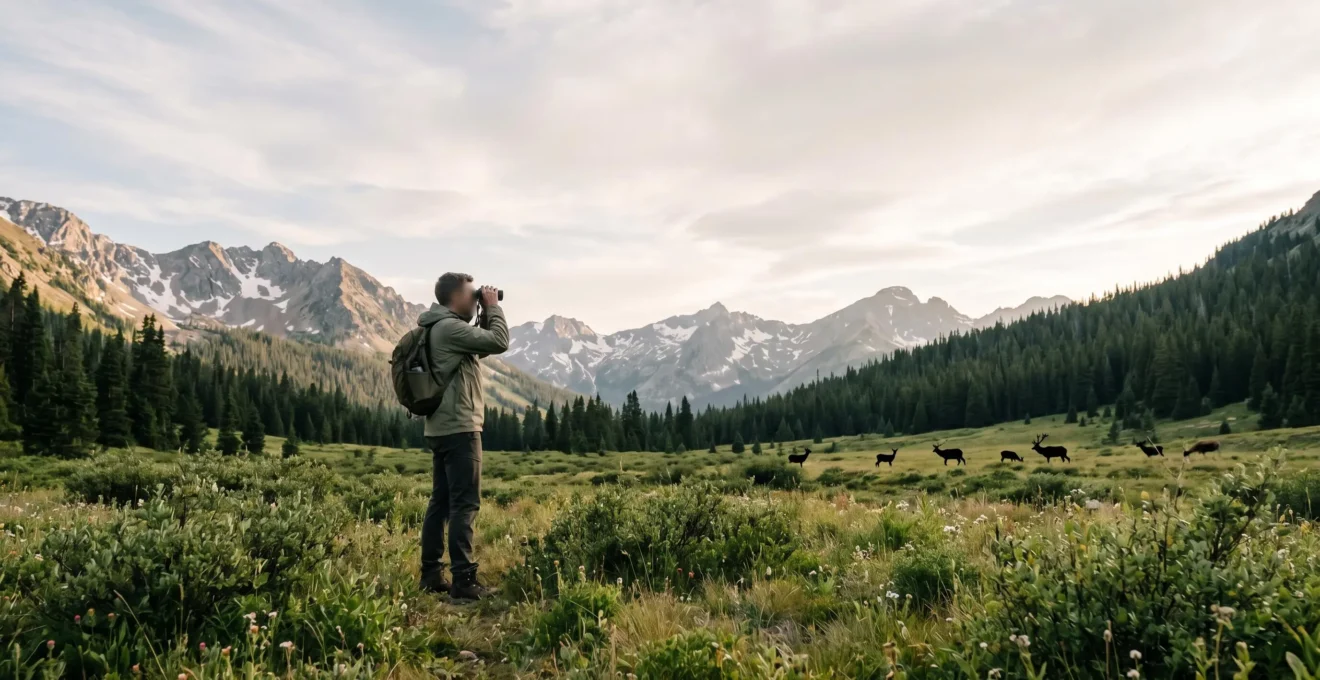
That feeling of guilt you have about your footprint in pristine nature can be transformed into a powerful tool for good. This guide reframes your role from a passive tourist to an active conservation partner. It reveals how your entry fees fund vital projects, how your conscious choices in popular destinations support buffer zone economies, and how your actions—beyond just packing out rubbish—can directly protect biodiversity and turn your travel into a net positive for the planet.
For the eco-conscious traveler, the dilemma is profound. You’re drawn to the untamed beauty of wilderness areas, the silent grandeur of ancient forests, and the vibrant life of coastal ecosystems. Yet, with every step, a nagging question follows: « Am I part of the problem? » You see the crowded trails, hear about the stress on wildlife, and wonder if your presence, however well-intentioned, contributes to the degradation of the very places you love.
The standard advice— »leave no trace, » « stick to the path »—feels inadequate. It frames your visit as a liability to be minimized, a necessary evil. But what if this perspective is incomplete? What if your presence, channeled correctly, could be one of the most potent forces for conservation? This guide is built on a solution-oriented premise: to move beyond guilt and into empowerment. We will explore the economic and ecological systems that allow responsible tourism to become an active force for protection.
We’ll deconstruct where your money goes, explore nuanced impacts beyond a simple footprint, and identify the powerful leverage you hold as a visitor. It’s time to shift the narrative from doing less harm to actively doing more good.
This article provides a complete framework for transforming your role from a visitor into a conservation ally. The following sections break down the key strategies and mindsets you can adopt.
Summary: How Your Visit to Wilderness Areas Can Help Conservation
- Where Does Your £15 Wilderness Areas Entry Fee Actually Go?
- How to Apply Leave No Trace in Wilderness Areas Beyond « Pack Out Your Rubbish »?
- Wilderness Areas With Volunteer Programs: Worth Your Holiday Time?
- The Wildlife Interaction That Causes 90% of Human-Animal Conflicts in Wilderness Areas
- When Should You Visit Wilderness Areas to Minimize Your Environmental Footprint?
- How to Visit Mass Tourism Destinations Responsibly Without Skipping Your Dream Holiday?
- What Can Seascapes’ Tide Pools Teach You About Ocean Biodiversity?
- Why Does Mass Tourism Destroy 40% of Coastal Ecosystems Within 15 Years?
Where Does Your £15 Wilderness Areas Entry Fee Actually Go?
The moment you pay your entry fee, whether it’s £15, $30, or €20, you’re not just buying access; you’re making a direct investment in conservation. It’s easy to view these fees as just another travel cost, but they are the lifeblood of many protected areas. This is the first and most direct form of conservation economics in action. The revenue generated is critical for the day-to-day operations and long-term health of these fragile ecosystems.
So, where does the money go? While models vary globally, a large portion is typically retained for on-site use. For example, in the U.S. National Park System, approximately 80 percent of entrance fee money remains in the park where it was collected. This ensures that the funds generated by visitors are reinvested directly into the visitor experience and conservation efforts of that specific location.
These funds are not just for abstract conservation goals; they translate into tangible improvements. Revenue from fees can be used to repair trails, maintain visitor facilities like restrooms and docks, and provide essential custodial services. At Shiloh National Military Park, fees funded new restrooms, while at Channel Islands National Park, they enabled the replacement of an old dock, ensuring visitor safety. Thinking of your fee as a direct contribution to infrastructure, safety, and habitat maintenance reframes it from a transactional cost to a participatory investment.
How to Apply Leave No Trace in Wilderness Areas Beyond « Pack Out Your Rubbish »?
The principle of « Leave No Trace » is often reduced to the simple, albeit crucial, act of packing out your litter. But in the 21st century, our impact extends far beyond physical footprints. A truly responsible traveler must consider their digital and sensory footprint as well. These subtle impacts can be just as disruptive to ecosystems as physical trash.
One major modern challenge is the acoustic impact of technology. The buzz of a drone, for instance, isn’t just a nuisance to other hikers; it’s a significant stressor for wildlife. As research on acoustic pollution reveals, animals exposed to drone noise experience physiological stress, including increased heart rates. Birds may alter flight patterns and vocalizations, disrupting nesting and feeding. Practicing « auditory Leave No Trace » means leaving the drone at home and being mindful of noise levels, especially during dawn and dusk when wildlife is most active.
Even our hygiene choices have an impact. Using standard soaps and shampoos in or near water sources introduces chemicals that harm aquatic life. The solution is to use biodegradable, eco-friendly soaps, and even then, to use them sparingly and at least 200 feet (about 70 steps) away from any water source.
Finally, we must practice Digital Leave No Trace, especially regarding social media geotagging. Tagging specific, sensitive locations can lead to overcrowding and degradation. Instead, consider these guidelines:
- Use general location tags (e.g., the name of the national park, not the « secret waterfall »).
- Avoid tagging sensitive or fragile areas entirely.
- Focus your posts on the experience and feeling, not just the location.
- Include educational context about responsible practices in your captions.
Wilderness Areas With Volunteer Programs: Worth Your Holiday Time?
Moving from a « do no harm » mindset to one of active benefit often leads travelers to consider volunteer programs. But are they a good use of your precious holiday time? The answer depends entirely on the program’s structure. The key is to distinguish between superficial « voluntourism » and genuine active stewardship opportunities that create lasting, community-driven impact.
Truly effective programs understand that conservation and community well-being are inextricably linked. They focus on empowering local populations, recognizing that protecting wildlife is more successful when the people living alongside it have an economic incentive to do so. As the travel company Elevate Destinations notes, this approach gives « an economic incentive to keep wildlife alive and habitats intact. »
Conservation tourism helps achieve this balance. It offers a non-extractive livelihood for local people, giving an economic incentive to keep wildlife alive and habitats intact.
– Elevate Destinations, Conservation Travel & Wildlife Tours overview
A prime example of this integrated model is Conservation Through Public Health (CTPH) in Uganda, which works with communities around Bwindi Impenetrable National Park. CTPH’s success comes from addressing three pillars simultaneously: wildlife conservation, community health, and alternative livelihoods. By improving public health and creating economic opportunities, they reduce the community’s reliance on the park’s resources and foster a culture of gorilla protection. When you volunteer for or financially support an organization like this, your contribution extends far beyond the immediate task, helping build a sustainable foundation for long-term conservation. The best programs are those that would continue to thrive even after you leave, because they are built by and for the local community.
The Wildlife Interaction That Causes 90% of Human-Animal Conflicts in Wilderness Areas
The title is a provocation. There isn’t a single type of interaction, like feeding a bear or getting too close for a selfie, that alone accounts for the vast majority of conflicts. The most pervasive and damaging « interaction » is far more subtle: it is the sheer, cumulative pressure of our presence and the unintentional consequences of our movements. With protected areas receiving about 8 billion visits every year, the primary cause of conflict is the high volume of unsustainable human behavior, often born from a lack of awareness.
One of the most significant yet overlooked impacts is the spread of invasive species. Every time you walk a trail, your boots, gear, and even clothing can carry tiny seeds, spores, or insects from one area to another. These non-native species can outcompete native plants, disrupt food webs, and drastically alter entire habitats, causing far more long-term damage than a single, direct animal encounter.
This is where active stewardship becomes a simple, habitual practice. Many well-managed wilderness areas now have boot-brushing stations at trailheads. Taking 30 seconds to meticulously clean your footwear before and after a hike is not a chore; it is a critical act of ecological hygiene. It is a conscious effort to stop the spread of invisible threats and protect the unique biodiversity of the place you are visiting.
This preventative action embodies the shift from a passive visitor to an active caretaker. The most dangerous wildlife interaction isn’t always the most dramatic one. It’s the one we don’t even know we’re having. By understanding these invisible impacts, we can take simple, effective steps to mitigate them and truly protect the wilderness.
When Should You Visit Wilderness Areas to Minimize Your Environmental Footprint?
Choosing *what* you do in a wilderness area is important, but choosing *when* you go can be just as impactful. Overtourism is a strain on resources, but the timing of your visit has ecological implications that go far beyond crowded trails. A strategic approach to timing can drastically reduce your footprint and even provide greater support to local communities.
The most critical factor is wildlife’s calendar. Avoid visiting during sensitive breeding, nesting, or birthing seasons. During these periods, animals are under immense stress, and human presence can cause them to abandon nests or young. A quick search for the wildlife calendar of your destination before booking a trip is a powerful act of conservation. Similarly, be mindful of daily cycles. Many animals are most active at dawn and dusk; limiting noisy activities during these peak hours reduces your disturbance.
Furthermore, modern technology allows us to monitor environmental conditions in real-time. Before heading out, check resources for snowpack data, drought monitors, and fire risk maps. Visiting an area under environmental stress, such as one experiencing a severe drought or high fire danger, puts both you and the ecosystem at unnecessary risk. Making an informed decision to postpone or choose an alternative destination is a sign of a truly responsible traveler.
Finally, consider the economic timing. Visiting during the « shoulder season » is often recommended to avoid crowds, but visiting during the true off-season can be even more beneficial. This provides a stable, year-round income for local communities that are heavily dependent on tourism. It helps prevent the « boom-and-bust » cycle that can harm local economies and ensures that the people who are the frontline stewards of the environment are supported throughout the year.
How to Visit Mass Tourism Destinations Responsibly Without Skipping Your Dream Holiday?
The principles of wilderness conservation don’t disappear when you visit a more popular, developed destination. In fact, they become even more critical. You don’t have to skip your dream holiday to Venice or Machu Picchu to be a responsible traveler. The key is to apply a « wilderness mindset » by focusing your economic power on the buffer zones and businesses that actively support conservation and sustainable practices.
In any major tourist area, there are businesses that are part of the mass-tourism machine and those that operate on its periphery, often with a stronger connection to the local culture and environment. Your mission is to find and support the latter. This means choosing locally-owned guesthouses over international hotel chains, dining at family-run restaurants that source local ingredients, and hiring local guides who are invested in their community’s well-being.
This spending has a powerful ripple effect. According to a National Park Service report, visitors spent billions at gateway businesses surrounding protected areas, demonstrating the immense economic power of tourism in these crucial buffer zones. When you consciously direct your money to these communities, you are helping to create a robust local economy that is less susceptible to being bought out by large, often destructive, development projects.
The Wilderness Destinations Conservation Model
The African travel company Wilderness Destinations exemplifies this principle. Their entire business model is built on the idea that tourism revenue should directly fund conservation. They use income from their hospitality offerings to help protect 5.4 million acres of land. Their impact pillars are to Educate, Empower, and Protect, ensuring that local communities benefit and become leaders in conservation. This shows how your spending at a responsible company in a buffer zone is a direct investment in keeping wilderness wild.
By treating your holiday budget as a tool for economic empowerment, you « vote » for the kind of tourism you want to see. You help ensure that the communities bordering beautiful places see more value in protecting them than in selling them off for short-term gain.
What Can Seascapes’ Tide Pools Teach You About Ocean Biodiversity?
Tide pools are magical, miniature universes, each one a self-contained diorama of ocean life. But they are more than just a beautiful sight; they are sensitive barometers of ocean health. For the eco-conscious traveler, a tide pool is an opportunity to practice active stewardship through observation and citizen science. Learning to « read » a tide pool can teach you volumes about the challenges facing the wider marine ecosystem.
The first lesson is about chemical pollution. The vibrant life in a tide pool is extremely sensitive to contaminants. A common source, often introduced by beachgoers, is chemical sunscreen. Research from NOAA confirms that specific chemical UV filters found in sunscreen can harm aquatic life, from corals to the smaller organisms in a tide pool. Choosing a mineral-based sunscreen (with zinc oxide or titanium dioxide) and applying it well before you enter the water is a simple choice that directly protects these fragile habitats.
The second lesson is in observation. You don’t need a biology degree to assess the health of a tide pool. By spending just a few minutes looking closely, you can gather valuable information. This process turns a passive viewing experience into an engaging act of environmental monitoring. You can contribute directly to our collective understanding of ocean biodiversity.
Your Action Plan: The 5-Minute Tide Pool Health Check
- Count Species Diversity: Mentally note the variety of species present (starfish, anemones, crabs, snails, different algae). High diversity is a sign of a healthy ecosystem.
- Look for Signs of Stress: Check for bleaching (loss of color) in anemones or unusual discolorations, which can indicate chemical or temperature stress.
- Spot Microplastics: Scan the water’s edge and trapped debris for tiny fragments of plastic, a direct indicator of pollution levels.
- Note Invasive Species: Familiarize yourself with common local invasive species and report any sightings to park authorities or through designated apps.
- Log Findings in iNaturalist: Use a citizen science app like iNaturalist to photograph and upload your observations, contributing to a global database used by scientists.
By engaging with a tide pool in this way, you are no longer just a tourist. you are a field scientist, a data collector, and a guardian of a tiny, precious world.
Key Takeaways
- Your entry fees are a direct investment, with a majority often staying in the park for maintenance and conservation.
- True « Leave No Trace » goes beyond litter and includes minimizing your digital (geotagging) and sensory (noise) footprint.
- The most powerful support for conservation often comes from empowering local communities in buffer zones with your tourism spending.
Why Does Mass Tourism Destroy 40% of Coastal Ecosystems Within 15 Years?
The alarming statistic in the title reflects a grim reality: when tourism development is unplanned and focused solely on rapid growth, it consumes natural resources at an unsustainable rate. Mass tourism often triggers a destructive cycle of coastal development, water pollution, and habitat destruction. But it’s crucial to understand that the problem isn’t tourism itself; it’s the unregulated, conservation-blind model of tourism that causes the damage.
The alternative—and the solution—is conservation-focused tourism, which provides a powerful economic incentive to protect ecosystems rather than destroy them. The economic argument is overwhelmingly clear. A 2018 WTTC report found that the direct contribution of wildlife tourism is worth over five times that of the illegal wildlife trade. When a living ecosystem is more valuable than a dead one, protection becomes the logical economic choice. Your visit, as a responsible tourist, contributes to the « valuable » side of that equation.
The story of Thailand’s forests serves as a powerful case study. The country lost roughly half of its forest cover between the 1960s and 1990s, partly due to mass tourism infrastructure. Faced with a crisis, the government shifted strategy, investing in a system of protected areas and promoting ecotourism. Now, these protected areas are a cornerstone of the tourism industry, demonstrating that it’s possible to reverse course. The revenue model was redirected from one that consumed the environment to one that funded its protection.
This is the ultimate transformation of your role as a traveler. You are no longer just a consumer of landscapes. You are a key participant in a global economic model that values preservation. Every time you choose a local guide over an all-inclusive resort, buy a park permit, or visit a community-run conservancy, you are casting a vote for a world where nature is worth more alive than destroyed. Your travel choices are not insignificant; they are the engine of a more sustainable future.
Start today by integrating these strategies into your next travel plan. Research the conservation model of your destination, choose local and responsible operators, and reframe your mindset from visitor to active partner.