In summary:
- Viral social media posts are causing real-world environmental damage and leading to the closure of iconic natural sites.
- Responsible photography goes beyond « Leave No Trace » by incorporating conservation-first planning, including navigating permit systems and choosing off-peak times.
- Advanced preparation, like detailed weather analysis and understanding your physical limits, prevents costly and damaging rescue operations.
- Your photography can actively support conservation by contributing data, offsetting your travel, and supporting local eco-initiatives.
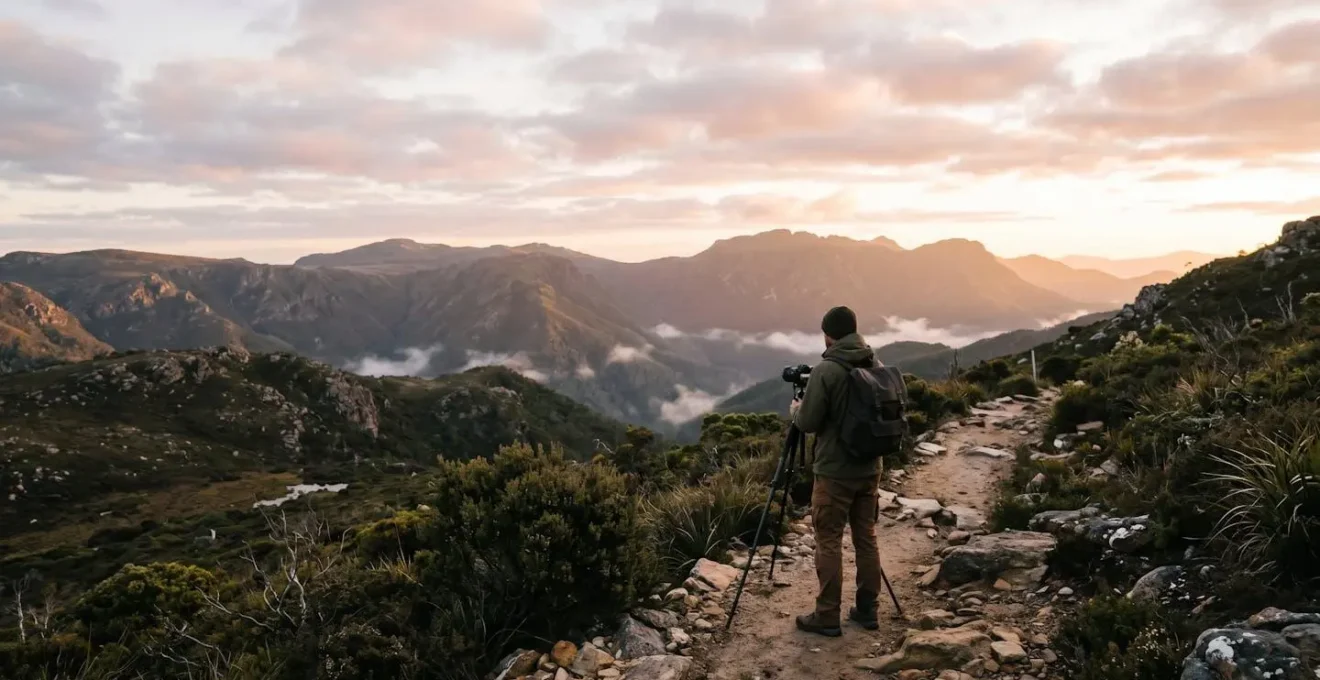
The perfect shot: a pristine, otherworldly landscape, bathed in the golden light of dawn, with no one else in sight. This is the image many landscape photographers and Instagram creators chase. Yet, the relentless pursuit of this ideal is creating a paradox. The more we celebrate these extraordinary places online, the more we risk loving them to death. The common advice often feels reactive and incomplete—we hear about the « Leave No Trace » principles or the debate around geotagging, but these are just pieces of a much larger puzzle.
These conversations rarely address the systemic impact of our collective actions or provide a framework for making better choices before we even pack our camera bags. The truth is that a single photograph, amplified by social media, can set in motion a chain of events that degrades fragile ecosystems, overwhelms local communities, and ultimately leads to the closure of the very places we admire. This guide moves beyond a simple list of prohibitions to offer a new perspective.
What if the key to ethical landscape photography wasn’t just about avoiding negative impacts, but about adopting a mindset of proactive stewardship? This approach transforms the act of photography from passive observation into a conscious practice of planning, decision-making, and even positive contribution. It’s about understanding the « why » behind the rules and making choices that protect these landscapes for generations to come. This article will provide a complete framework, from pre-trip planning and on-site ethics to post-processing and how your work can actively help conservation efforts.
To navigate this complex topic, this guide is structured to walk you through the entire process of responsible landscape photography, from understanding the problem to becoming part of the solution. Explore the sections below to build your ethical framework.
Summary: A Guide to Ethical and Extraordinary Landscape Photography
- Why Are Instagram-Famous Extraordinary Landscapes Closing to Visitors?
- How to Navigate Permit Systems for Extraordinary Landscapes Like Torres del Paine?
- Golden Hour Crowds or Midday Solitude: When Should You Photograph Extraordinary Landscapes?
- The Forecast Ignorance That Traps Hikers in Extraordinary Landscapes
- Which Extraordinary Landscapes Can You Visit Without Mountain Climbing Skills?
- How to Apply Leave No Trace in Wilderness Areas Beyond « Pack Out Your Rubbish »?
- Why Do 80% of Holiday Photos Look Washed Out or Too Dark?
- How Can Your Visit to Wilderness Areas Help Conservation Instead of Harming It?
Why Are Instagram-Famous Extraordinary Landscapes Closing to Visitors?
The connection between a location’s viral fame on social media and its subsequent degradation is no longer a theory; it’s a well-documented reality. When a stunning, accessible landscape is featured in a popular Instagram post or music video, the resulting surge in visitors can overwhelm its fragile ecosystem and infrastructure. The desire to replicate a specific shot leads to trail-braiding, soil erosion, and damage to delicate flora that can take centuries to recover. This phenomenon creates a direct pipeline from digital exposure to physical destruction.
Authorities are often left with no choice but to implement drastic measures. Temporary or even permanent closures become necessary to allow the land to heal, turning these once-open wonders into restricted zones. This isn’t a punishment, but a desperate act of preservation against the tide of overtourism fueled by social media. The impact is a clear example of systemic impact, where the individual actions of many, all seeking the same photo, combine to create an unsustainable burden on the environment.
Case Study: Fjaðrárgljúfur Canyon, Iceland
After being featured in a 2015 Justin Bieber music video, Fjaðrárgljúfur canyon saw its visitor numbers explode. A detailed report shows an 80% surge in visitors between 2016 and 2017 alone. The canyon’s fragile moss, which grows at a mere 1-2 centimeters per century, suffered immense damage from the foot traffic of nearly 300,000 annual visitors. Consequently, Icelandic authorities were forced to close the site for several months in both 2019 and 2020 to allow for recovery, with park rangers turning away hundreds of cars each day. This case perfectly illustrates how viral fame can lead directly to environmental degradation and access restrictions.
This cycle of discovery, popularization, and destruction forces us to reconsider how we share and interact with these places. The responsibility lies not just with the authorities but with every photographer who posts an image. Understanding this connection is the first step toward becoming a more ethical creator.
How to Navigate Permit Systems for Extraordinary Landscapes Like Torres del Paine?
Permit systems are not bureaucratic hurdles designed to frustrate photographers; they are essential conservation tools. These systems are a core part of conservation-first planning, allowing authorities to manage visitor numbers, protect fragile ecosystems during sensitive times (like breeding seasons or periods of thaw), and fund trail maintenance and ranger patrols. Treating permit research as the first step of your photographic journey, rather than an afterthought, shifts your mindset from that of a tourist to that of a responsible visitor.
Navigating these systems requires proactive research. Official park websites are the primary source of truth for rules, quotas, and booking windows. However, information can sometimes be outdated or confusing. Supplementing official sources with recent trip reports from specialized travel forums and insights from local guide associations can provide a more complete picture of the on-the-ground reality, including tips on last-minute availability or alternative routes.
This planning phase is a critical part of ethical photography. It demonstrates respect for the place, its wildlife, and the people who manage it. Successfully securing a permit isn’t just about gaining access; it’s about actively participating in the preservation of the landscape you intend to capture.
As the image above suggests, responsible trip planning involves more than just a camera. It’s a deliberate process of studying maps, understanding regulations, and preparing for the specific conditions of a protected area. This meticulous preparation is the foundation of a successful and ethical photographic expedition.
Action Plan: Your Permit Research Framework
- Consult Official Sources: Start with the official national park website (e.g., the CONAF portal for Chilean parks) to find the primary permit requirements and daily visitor quotas.
- Verify with Governing Bodies: Check the website of the overarching conservation department or environmental agency for region-wide rules that might affect your plans.
- Gather Real-World Intel: Search specialized travel and photography forums for recent discussions on permit availability and booking experiences for your target location.
- Connect with Local Experts: Contact local guide associations or tour operators. They often have insights into last-minute cancellations or alternative access points.
- Plan for Advance Purchase: Be aware of policy changes. For instance, many Chilean national parks no longer permit same-day ticket sales at the entrance, requiring all visitors to purchase in advance online.
Golden Hour Crowds or Midday Solitude: When Should You Photograph Extraordinary Landscapes?
The « golden hour »—the period shortly after sunrise or before sunset—is cherished by photographers for its soft, warm light. However, in popular locations, this magical time is also the « crowded hour. » The convergence of dozens of tripods in a confined space not only diminishes the wilderness experience but also concentrates physical impact on the environment. This presents a critical decision-making framework for the ethical photographer: is the classic golden hour shot worth the environmental and social cost?
There is immense photographic potential outside of these peak times. Midday, often dismissed for its harsh light, can offer opportunities for dramatic high-contrast black and white images, or for focusing on patterns, textures, and intimate details that are lost in wider, epic scenes. More importantly, shooting during off-peak hours—or better yet, during the off-season—provides solitude and significantly reduces your footprint. It allows for a deeper, more personal connection with the landscape, which often translates into more unique and meaningful photographs.
Choosing to visit during less popular times is a powerful act of stewardship. It helps distribute visitor load throughout the day and year, lessening the strain on both the ecosystem and the infrastructure. Data from highly sought-after locations like « The Wave » in Arizona starkly illustrates this trade-off: permit data reveals that lottery success rates can be 5-10% in winter months compared to a dismal 1-3% during the peak season. By opting for the path less traveled, you not only increase your chances of access but also actively contribute to the location’s preservation.
The Forecast Ignorance That Traps Hikers in Extraordinary Landscapes
Arriving at a location only to be thwarted by bad weather is disappointing. But venturing into a wilderness area without a deep understanding of the forecast is not just inconvenient—it’s dangerous and environmentally irresponsible. Many photographers check for sun or clouds but fail to interpret critical data like wind gusts, freezing levels, or precipitation types. This ignorance can lead to being caught in perilous situations, necessitating rescue operations that carry a significant environmental cost.
As the Nature First Alliance points out in its ethics report, a rescue is a major disruption. The report highlights that « a rescue diverts park funds from conservation, and the operation itself (helicopters, multiple teams) can cause significant ground disturbance and stress wildlife. » This is a hidden systemic impact of poor planning. Your personal miscalculation becomes a collective burden on the park’s resources and the health of the ecosystem. A true commitment to ethical photography includes minimizing the risk of ever needing such an intervention.
A professional approach to weather involves looking beyond a simple forecast. It means understanding how conditions change with altitude and how they affect the landscape itself. For example, heavy rain doesn’t just get you wet; it makes trails fragile and prone to erosion. Spring thaw periods create muddy, delicate ground where a single footstep can cause lasting damage. An advanced weather analysis is a key component of your decision-making framework, allowing you to adapt your plans, choose appropriate gear, or even postpone a trip to protect both yourself and the environment.
- Check freezing levels: This helps you understand altitude-specific temperatures, which is crucial for assessing the stability of the ground and the fragility of alpine vegetation.
- Analyze wind gusts: Pay attention to predicted gusts, not just sustained winds. Strong gusts can destabilize a tripod, endanger you near cliff edges, and are often amplified in canyons.
- Interpret precipitation types: A forecast for a heavy downpour has different implications than one for light drizzle. Heavy rain can quickly turn a trail into a mudslide, causing severe erosion.
- Monitor thaw conditions: Be especially cautious during spring (often March-June in northern climates). Thawing ground is extremely fragile and easily damaged, often leading to trail closures.
Which Extraordinary Landscapes Can You Visit Without Mountain Climbing Skills?
The pursuit of unique, untouched vistas can sometimes push photographers to venture into terrain that is beyond their physical capabilities. This not only poses a significant personal risk but also increases the likelihood of environmental damage through off-trail scrambling and the potential need for rescue. However, many of the world’s most extraordinary landscapes have been made accessible through thoughtful infrastructure like boardwalks, hardened trails, and designated viewpoints.
For some purists, these structures can feel like an intrusion, a « tourist trap » that detracts from the wilderness experience. This view misses the fundamental conservation purpose they serve. As noted in the Torres del Paine National Park management guidelines, « well-designed, hardened viewpoints and boardwalks are not ‘tourist traps’ but essential tools for conservation. They concentrate human impact in a controlled area, protecting the vast, fragile wilderness around them. » Embracing these facilities is a form of proactive stewardship. By staying on the path, you are actively helping to preserve the pristine nature of the surrounding landscape.
These structures allow millions to experience natural wonders safely and with minimal impact. They are a testament to successful conservation design, enabling access for people of varying physical abilities without sacrificing the ecological integrity of the area. For a photographer, this means you can often capture breathtaking scenes without needing elite mountaineering skills. The key is to match your ambitions to your abilities and to respect the infrastructure that has been put in place for protection.
Choosing a location that is within your skill level and utilizing its designated trails is one of the most fundamental ethical decisions you can make. It demonstrates a respect for the land and an understanding that access is a privilege, not a right to roam anywhere you please.
How to Apply Leave No Trace in Wilderness Areas Beyond « Pack Out Your Rubbish »?
The first principle of Leave No Trace— »plan ahead and prepare »—is the foundation, but for photographers, the on-the-ground application of these ethics goes far beyond packing out trash. Our equipment and our creative process can have subtle but significant impacts on the environment and the experience of others. Applying an advanced Leave No Trace mindset means developing an « impact-aware composition » approach, where every choice is weighed against its potential consequences.
This involves managing our sensory footprint. Light pollution from bright headlamps can disorient nocturnal animals; using a red-light setting minimizes this disturbance. Sound pollution is another factor; loud conversations echo surprisingly far in quiet canyons, disrupting wildlife and shattering the solitude for others. Even our gear can cause visual pollution—a brightly colored backpack left in the middle of a meadow can ruin the wilderness experience for everyone else who arrives.
Perhaps the most critical principle for photographers is to never alter the scene. This practice, sometimes called « garden-scaping, » involves moving logs, breaking branches, or arranging rocks to « improve » a composition. This is fundamentally at odds with the spirit of landscape photography. It disrupts micro-habitats and creates a false representation of the place. The ethical challenge is to work with the scene as it is. If a branch is in your way, don’t break it—change your position. This simple shift in approach, from altering the environment to adjusting your perspective, is the essence of true nature photography.
- Control your light: Use red light headlamps at night and keep bright light usage brief and pointed downward to avoid disorienting wildlife.
- Minimize your sound: Maintain a quiet presence, especially during dawn and dusk when animals are most active and other visitors are seeking solitude.
- Manage your gear: Keep brightly colored equipment packed away when not in use to avoid creating visual pollution that detracts from the natural scene.
- Never « garden-scape »: Resist the urge to move fallen logs, pick flowers, or break branches. These elements are part of the ecosystem. Adjust your own angle and composition instead.
- Protect sensitive ground: Use rubber feet on your tripod instead of spikes on delicate surfaces like cryptobiotic soil or rock. Use wide « snow basket » attachments to distribute weight on soft ground.
Why Do 80% of Holiday Photos Look Washed Out or Too Dark?
The technical reason most casual photos fail is a misunderstanding of exposure. Cameras, in their automatic modes, try to render everything as a neutral « middle gray. » When faced with a very bright scene, like a snowy landscape or a sunny beach, the camera gets tricked. It sees all that brightness and darkens the image to compensate, resulting in dull, gray snow or murky-looking sand. Conversely, in a very dark scene, like a forest at dusk, the camera tries to brighten everything up, leading to a washed-out, noisy image lacking deep blacks. Mastering exposure compensation is the key to telling your camera to intentionally make a bright scene look bright and a dark scene look dark.
However, there is a deeper, ethical dimension to this question that extends into post-processing. In an effort to make images « pop » on social media, some creators push manipulation to an extreme. This creates a dangerous cycle of unrealistic expectations. As researchers from Diggit Magazine found, » hyper-saturated, digitally manipulated photos… create unrealistic expectations. This leads to visitor disappointment and risky behaviour. » When a visitor arrives at a location expecting a fake, fiery sky or impossibly turquoise water, the reality can feel like a letdown, sometimes encouraging them to go off-trail or into dangerous areas in search of the fantasy they were promised.
The ethical photographer’s responsibility, therefore, extends beyond the shutter click. It involves representing a place honestly. While post-processing is an integral part of digital photography, there is a line between enhancing an image and fabricating a scene. The goal should be to convey the feeling and beauty of a place as you experienced it, not to create a digital fantasy that can never be matched in reality. This honesty is a form of respect for both the landscape and for your audience.
Key takeaways
- Ethical photography is a proactive mindset, not a reactive checklist. It begins with « conservation-first planning » long before you leave home.
- Your choices regarding time, weather, and location accessibility have direct and systemic impacts on fragile environments.
- True « Leave No Trace » for photographers involves minimizing subtle impacts like light, sound, and ground disturbance, and never altering a natural scene for a composition.
How Can Your Visit to Wilderness Areas Help Conservation Instead of Harming It?
The ultimate goal of an ethical photographer is to move beyond a neutral impact and become a positive force for conservation. This is the essence of proactive stewardship. Your trip, your skills, and your wallet can all be powerful tools for protecting the places you love. This begins with your planning choices. By strategically selecting accommodations with verified eco-certifications or hiring local guides from community-run organizations, you ensure your money directly supports land protection and sustainable economies.
Once on site, your camera itself can become a conservation tool. As highlighted in a success story from an RMCAD blog on eco-photography, photographers are becoming vital citizen scientists. This testimony explains that by » documenting biodiversity through apps like iNaturalist and taking geotagged photos of trail erosion, vandalism, or invasive species, » photographers can send precise, actionable reports to park authorities. This transforms you from a passive observer into an active partner in ecological monitoring and management.
Finally, your finished work can contribute directly. Many photographers donate a portion of their print sales to conservation NGOs. An even more direct approach is to offer your high-quality images to underfunded land trusts or environmental groups for use in their campaigns. A powerful photograph can be more persuasive than pages of text in a fundraising appeal. By leveraging your art for advocacy, you complete the cycle of stewardship, using the beauty you’ve captured to ensure its preservation.
- Choose eco-certified lodging: Select accommodations that have verified third-party environmental standards.
- Hire local conservation guides: Book with guides from co-ops or community organizations that reinvest in land protection.
- Calculate and offset your carbon: Use a carbon calculator for your trip’s emissions and purchase verified offsets that support projects like reforestation.
- Contribute images to conservation: Approach local land trusts or environmental NGOs and offer them free use of your images for their websites, social media, and fundraising efforts.
Start integrating these principles into your next trip. By planning with conservation in mind, shooting with respect, and sharing your work responsibly, you can create extraordinary images that not only capture the beauty of our planet but also help to protect it.